
TMJ Disorder Treatment in Duncan, BC


TMJ Disorders Can Affect More Than Just the Jaw
Temporomandibular joint (TMJ) disorders can affect the jaw, muscles of the face, neck tension patterns, headaches, chewing function, and overall comfort during daily activities.
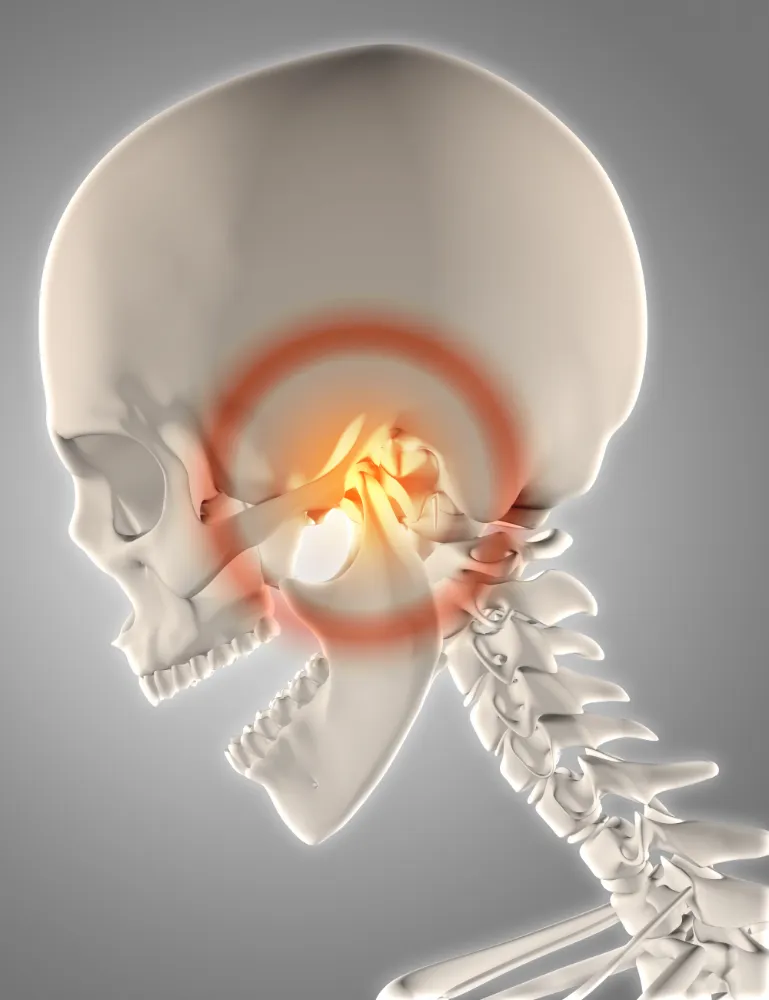
The temporomandibular joint connects the jaw to the skull and plays an important role in speaking, chewing, swallowing, and movement. When the joint or surrounding muscles become irritated or dysfunctional, patients may experience pain, clicking, tightness, headaches, or restricted jaw movement.
At Start Line Health, our team works with patients experiencing TMJ disorders using integrated rehabilitation and treatment approaches designed to reduce pain, improve movement, and support long-term recovery.
Understanding the Causes of TMJ Disorders
TMJ disorders may involve the jaw joint itself, surrounding muscles, nerve irritation, movement dysfunction, or chronic tension patterns.
Common contributing factors may include:
- Jaw clenching or teeth grinding
- Chronic muscular tension
- Stress-related jaw tightness
- Joint irritation or inflammation
- Neck dysfunction and posture issues
- Injury or trauma
- Headaches and muscular tension patterns
- Movement dysfunction affecting the jaw and neck
Some patients experience mild clicking or tightness, while others develop chronic jaw pain, headaches, locking sensations, or discomfort while chewing and speaking.
Because TMJ disorders can involve multiple contributing factors, proper assessment is important for creating an effective treatment and recovery plan.

Common Symptoms Associated with TMJ Disorders
TMJ disorder symptoms can vary depending on the severity of joint irritation and muscular dysfunction.
Common Symptoms
Jaw pain or tightness
Clicking or popping in the jaw
Headaches or migraines
Pain while chewing
Jaw locking or restricted movement
Facial muscle tension
Neck pain or tightness
Teeth grinding or clenching
Ear pressure or discomfort
Persistent or worsening symptoms may benefit from professional assessment and rehabilitation support.
Treatment Options for TMJ Disorders
Treatment recommendations depend on symptom severity, muscular involvement, joint dysfunction, and recovery goals. At Start Line Health, TMJ treatment plans may include a combination of rehabilitation, mobility-focused treatment, and orthopedic care approaches.
Learn More About TMJ Disorder Treatment

When to Seek Treatment for TMJ Symptoms
Some mild TMJ symptoms may improve temporarily with rest or stress reduction, while others may continue worsening over time without proper treatment.
Patients should consider professional assessment when:
Jaw pain continues returning or worsening
Headaches become more frequent
Jaw movement becomes restricted
Clicking or locking sensations develop
Chewing or speaking becomes uncomfortable
Recovery from symptoms has stalled
Early intervention may help improve recovery outcomes and reduce chronic muscular tension or joint dysfunction.
A Collaborative Approach to TMJ Recovery
At Start Line Health, TMJ disorder treatment is approached through a collaborative rehabilitation model focused on reducing pain, improving movement, and restoring long-term function.
This integrated approach allows patients to access multiple treatment options within one connected clinic environment.

TMJ Disorder FAQs
What causes TMJ disorders?
TMJ disorders may develop from jaw clenching, teeth grinding, muscular tension, stress, joint irritation, posture dysfunction, injury, or chronic movement patterns.
What are common symptoms of TMJ disorders?
Common symptoms include jaw pain, clicking, headaches, facial tension, neck tightness, jaw locking, and discomfort while chewing.
Can TMJ disorders cause headaches?
Yes. TMJ dysfunction and muscular tension around the jaw and neck commonly contribute to headaches and migraine-related symptoms.
What treatments are available for TMJ disorders?
Treatment options may include physiotherapy, Botox injections, massage therapy, trigger point injections, acupuncture, IMS, and rehabilitation exercises.
When should I seek treatment for TMJ pain?
You should consider professional assessment if symptoms persist, worsen, interfere with chewing or speaking, or begin affecting sleep and daily activities.
TMJ Disorder Treatment in Duncan — Two Convenient Locations
.webp)
.webp)
.webp)
Get Support for TMJ Pain and Jaw Dysfunction
If jaw pain, headaches, tension, or movement limitations are affecting your daily life, Start Line Health offers integrated treatment approaches designed to support recovery and improve long-term function. Our team can help determine the most appropriate treatment plan based on your symptoms, condition, and recovery goals.