
Kinesiology in Duncan, BC

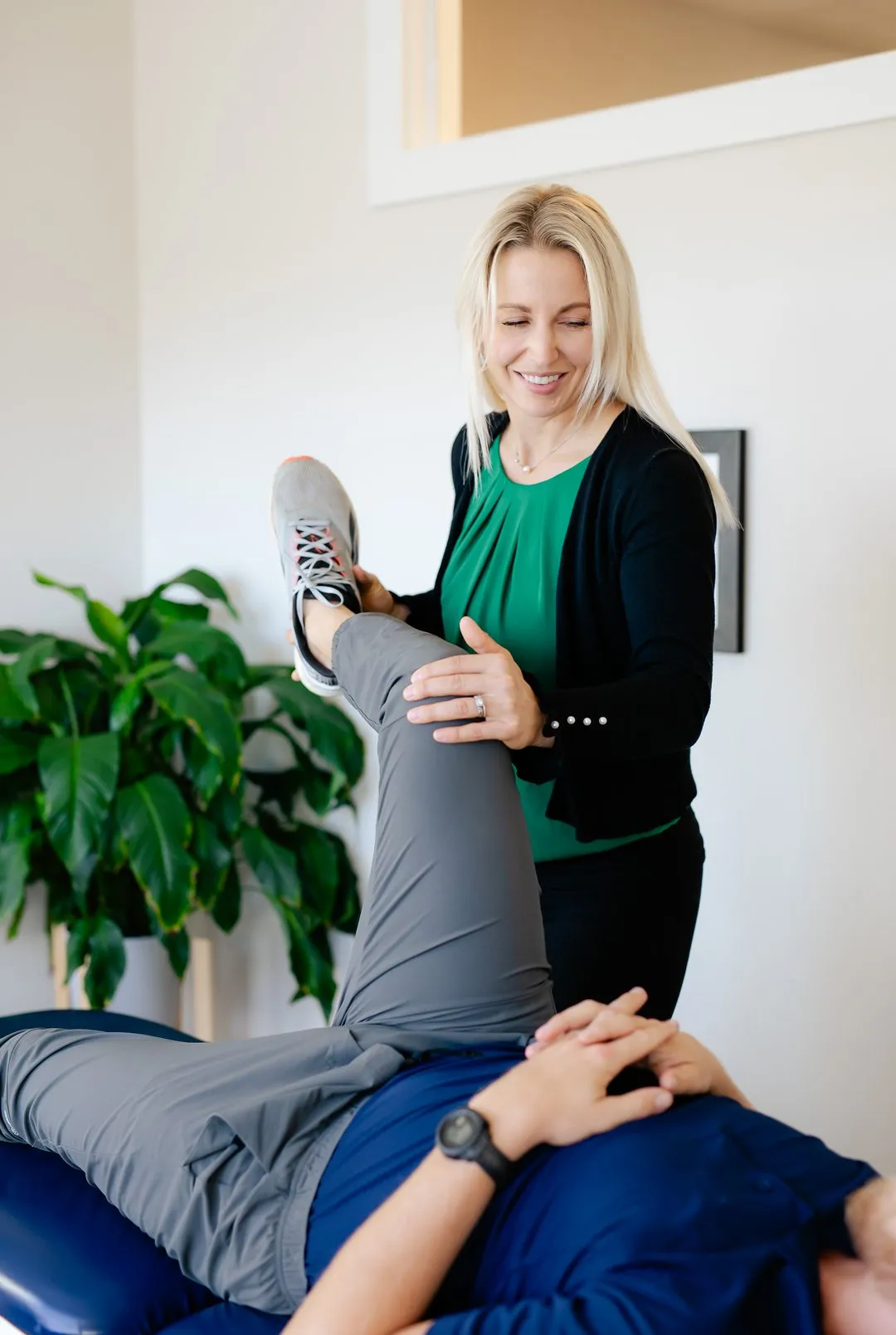
Kinesiology Focused on Recovery and Movement
Kinesiology focuses on improving movement, physical function, strength, and recovery through exercise-based rehabilitation and movement assessment.
At Start Line Health, kinesiology is integrated into broader rehabilitation and orthopedic care plans designed to help patients recover from injury, improve mobility, and build long-term physical resilience.
Kinesiology may be beneficial for patients recovering from injuries, surgery, chronic pain conditions, mobility limitations, and movement dysfunction affecting daily activities and performance.
Kinesiology for Rehabilitation, Strength, and Mobility
Kinesiology is commonly used in rehabilitation settings to help patients improve movement quality, physical capacity, and recovery outcomes.
Treatment plans may help:
- Improve mobility and flexibility
- Restore strength after injury
- Support recovery from surgery
- Improve balance and coordination
- Increase activity tolerance
- Reduce movement-related discomfort
At Start Line Health, kinesiology is often integrated alongside physiotherapy, massage therapy, and other rehabilitation-focused treatments to support long-term function and recovery.
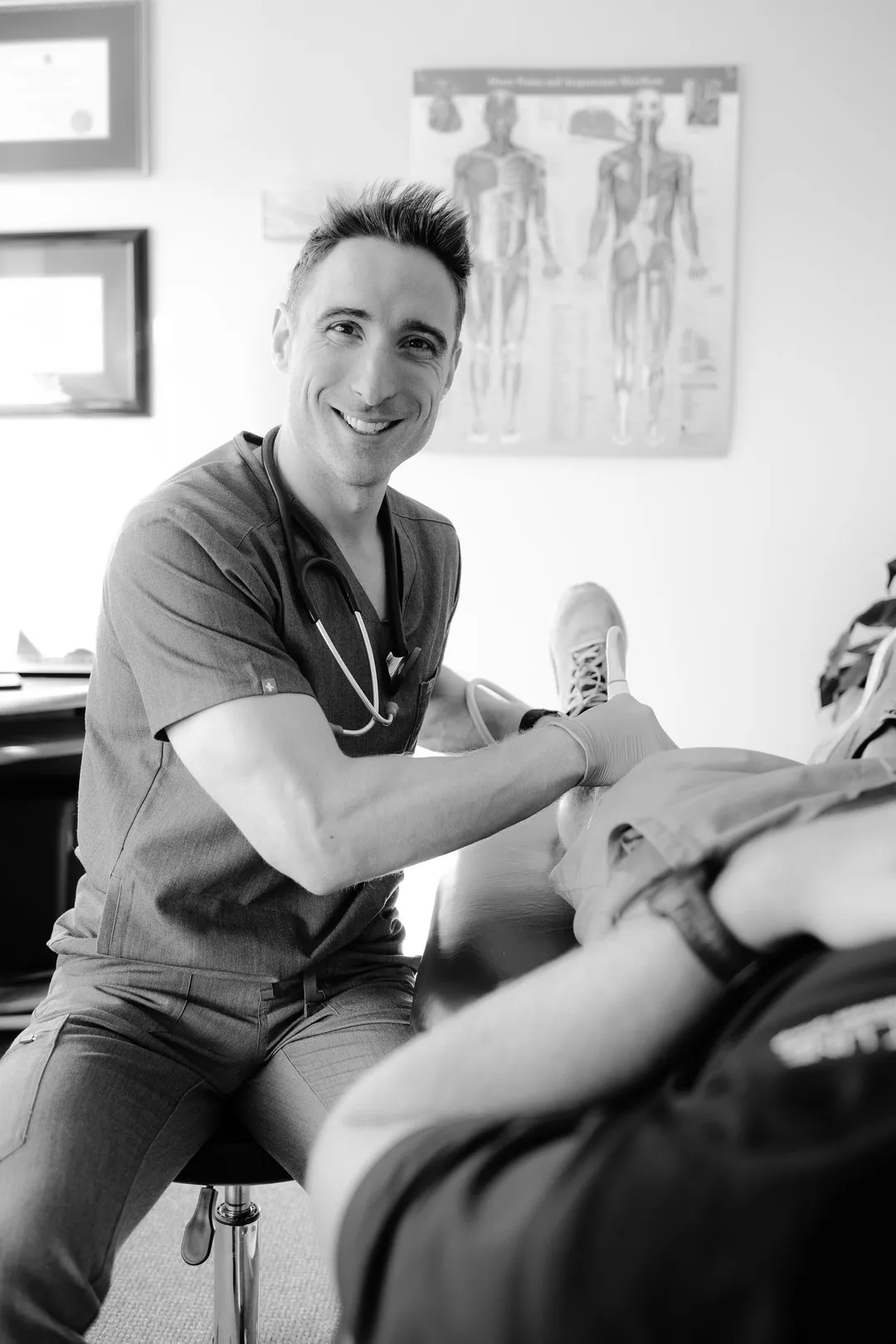
Conditions Commonly Supported Through Kinesiology
Kinesiology may help support recovery and movement improvement for a variety of orthopedic and musculoskeletal conditions.
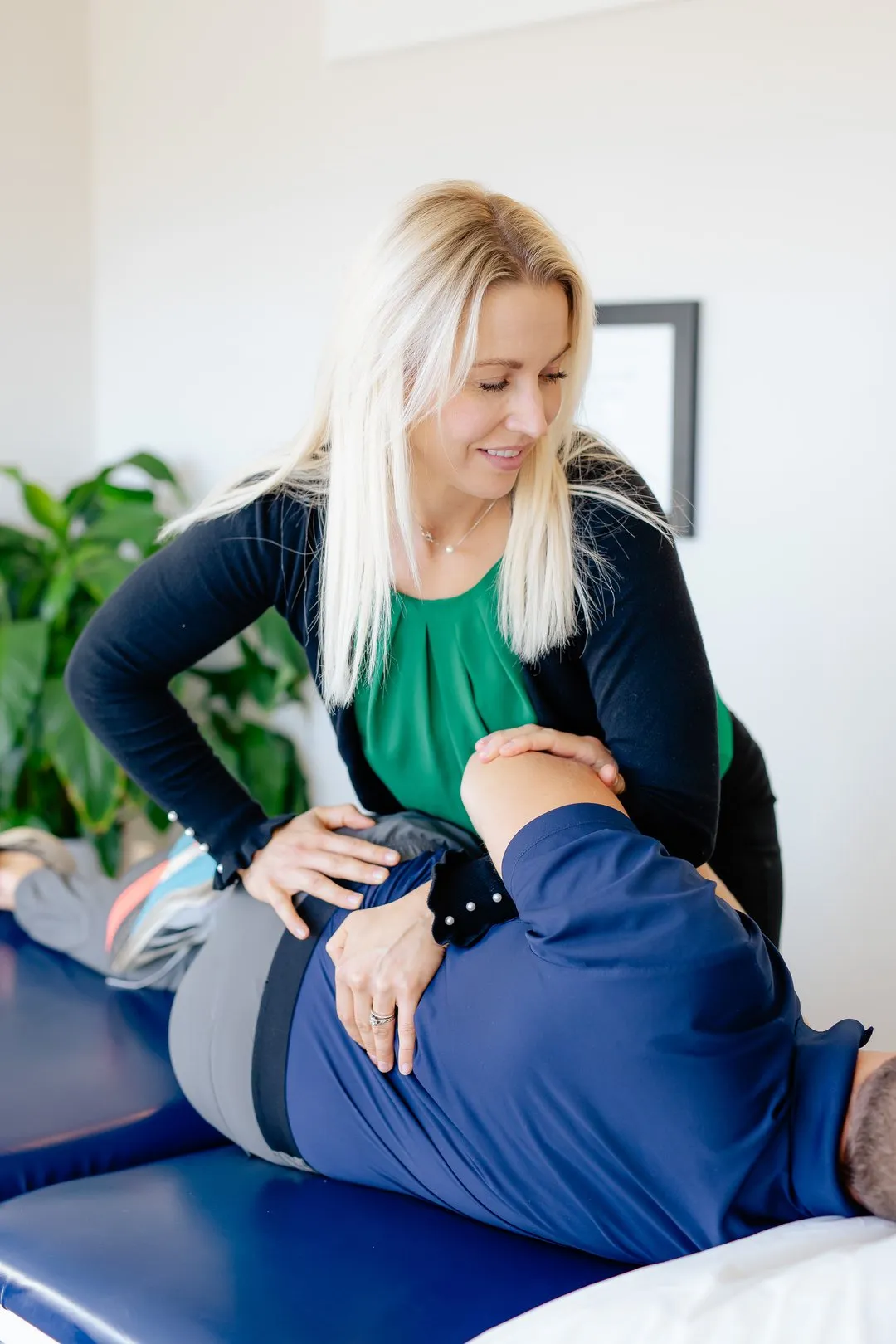
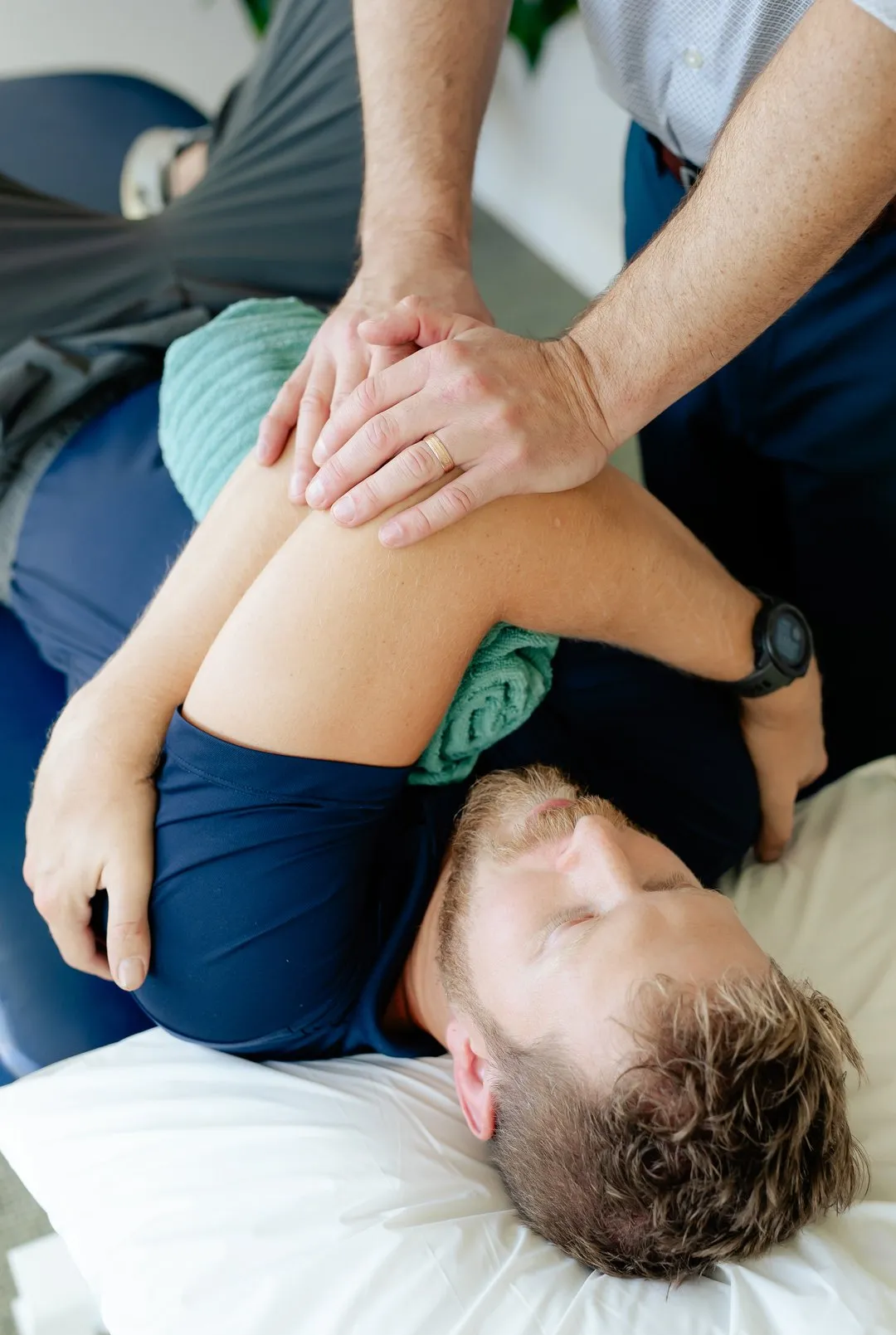
What to Expect During Kinesiology Treatment
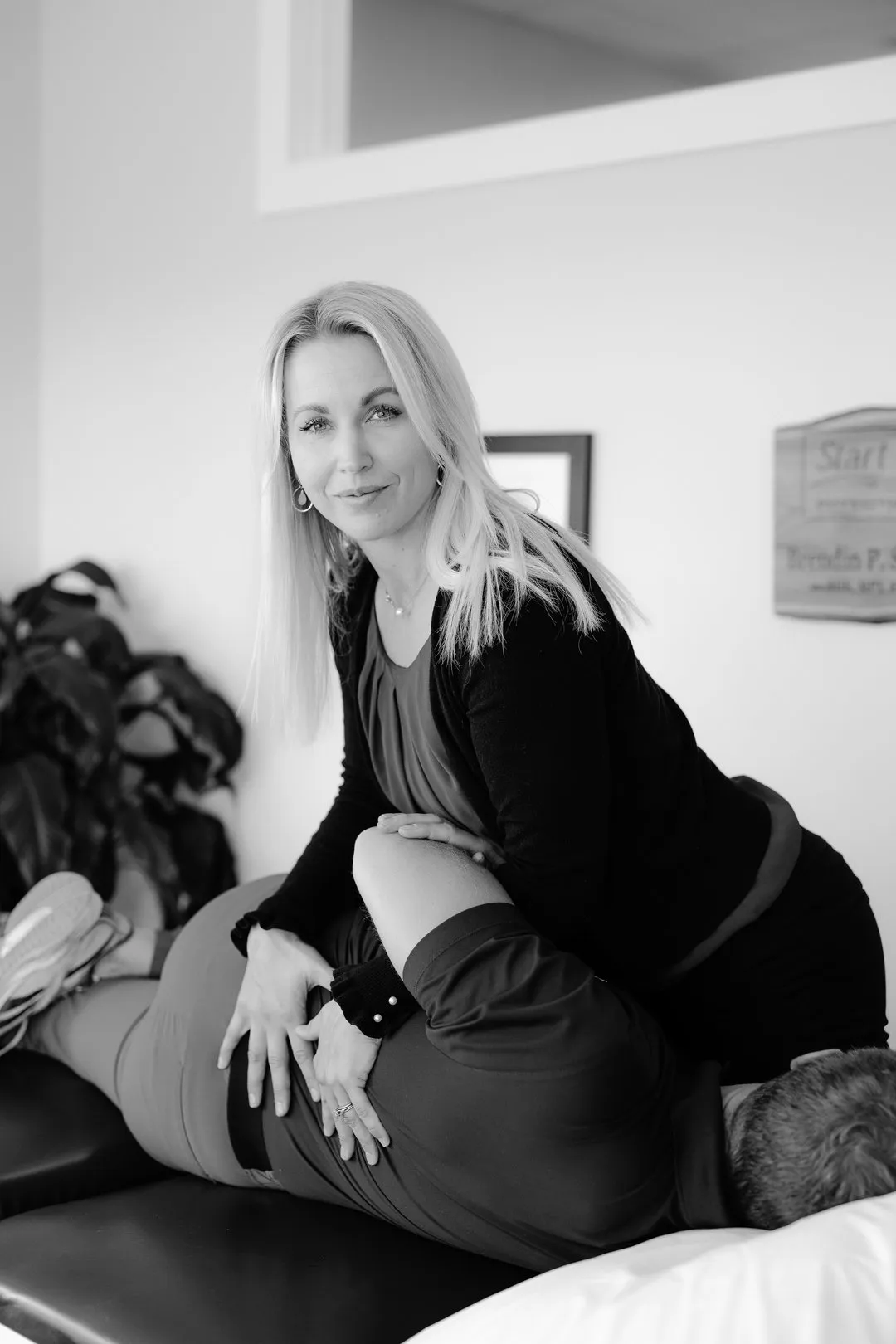
Treatment begins with an assessment focused on understanding your symptoms, movement limitations, physical goals, and recovery needs.
Based on the assessment findings, your kinesiologist develops a personalized rehabilitation and movement program designed to improve strength, mobility, and overall function.
Depending on the condition being treated, kinesiology treatment may include:
Strength and conditioning exercises
Mobility-focused rehabilitation
Functional movement training
Balance and coordination work
Recovery-based exercise programming
Activity progression strategies
Treatment plans are individualized based on the patient’s condition, recovery stage, and goals.
Why Patients Pursue Kinesiology Treatment
Patients may consider kinesiology when:
Common Symptoms
Recovery from injury feels incomplete
Strength or mobility has declined
Pain is affecting movement and activity
They are returning to exercise or sport
Surgery recovery requires guided rehabilitation
They want to improve long-term movement and physical function
Assessment and treatment planning help determine the most appropriate rehabilitation approach for each patient.
Kinesiology as Part of a Broader Recovery Plan
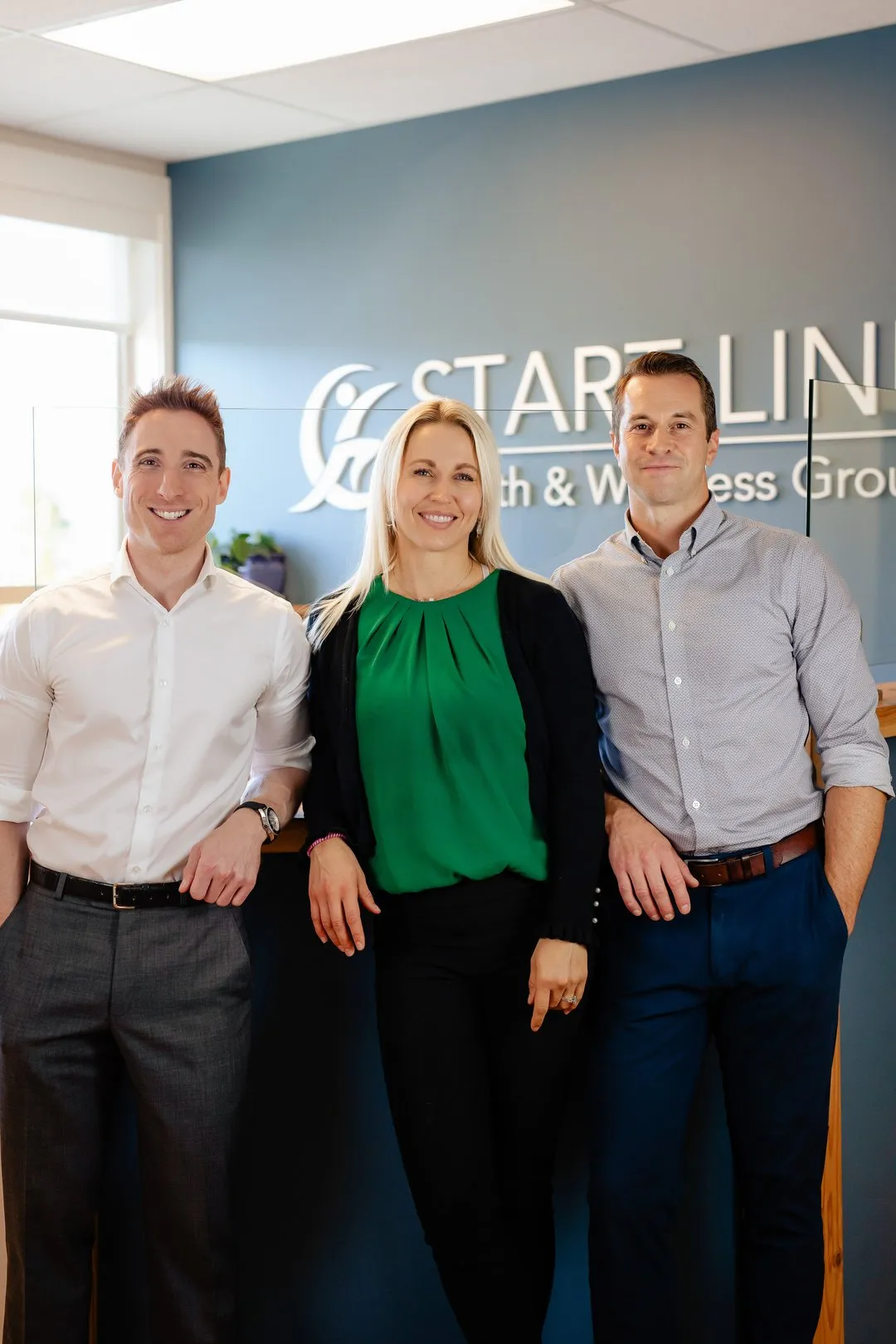
At Start Line Health, kinesiology is integrated into a collaborative rehabilitation environment focused on improving movement, recovery, and long-term physical performance.
This integrated approach helps support safer progression through rehabilitation and long-term movement improvement.
Is Kinesiology Right for You?
Kinesiology may be appropriate for patients who are:
The best way to determine whether kinesiology is appropriate is through a professional assessment.
Kinesiology FAQs
What does a kinesiologist do?
Kinesiologists focus on improving movement, strength, mobility, rehabilitation, and physical function through exercise-based treatment and movement assessment.
Can kinesiology help with injury recovery?
Yes. Kinesiology is commonly used to support recovery from injuries, surgery, chronic pain conditions, and movement dysfunction.
Is kinesiology exercise-based?
Yes. Kinesiology treatment often includes personalized exercise programming focused on improving movement and physical performance.
Can kinesiology be combined with physiotherapy?
Yes. Kinesiology is frequently integrated alongside physiotherapy and rehabilitation to help support recovery and long-term outcomes.
Who can benefit from kinesiology treatment?
Patients recovering from injury, surgery, chronic pain, mobility issues, or physical deconditioning may benefit from kinesiology-based rehabilitation.
Kinesiology in Duncan — Our Convenient Locations
.webp)
.webp)
.webp)
Build Strength and Improve Movement with Kinesiology
If you are recovering from injury, dealing with mobility limitations, or looking to improve long-term physical function, Start Line Health offers kinesiology as part of a broader rehabilitation and orthopedic approach. Our team can help determine the most appropriate treatment strategy based on your recovery goals and physical needs.