
Sports Injury Treatment in Duncan, BC
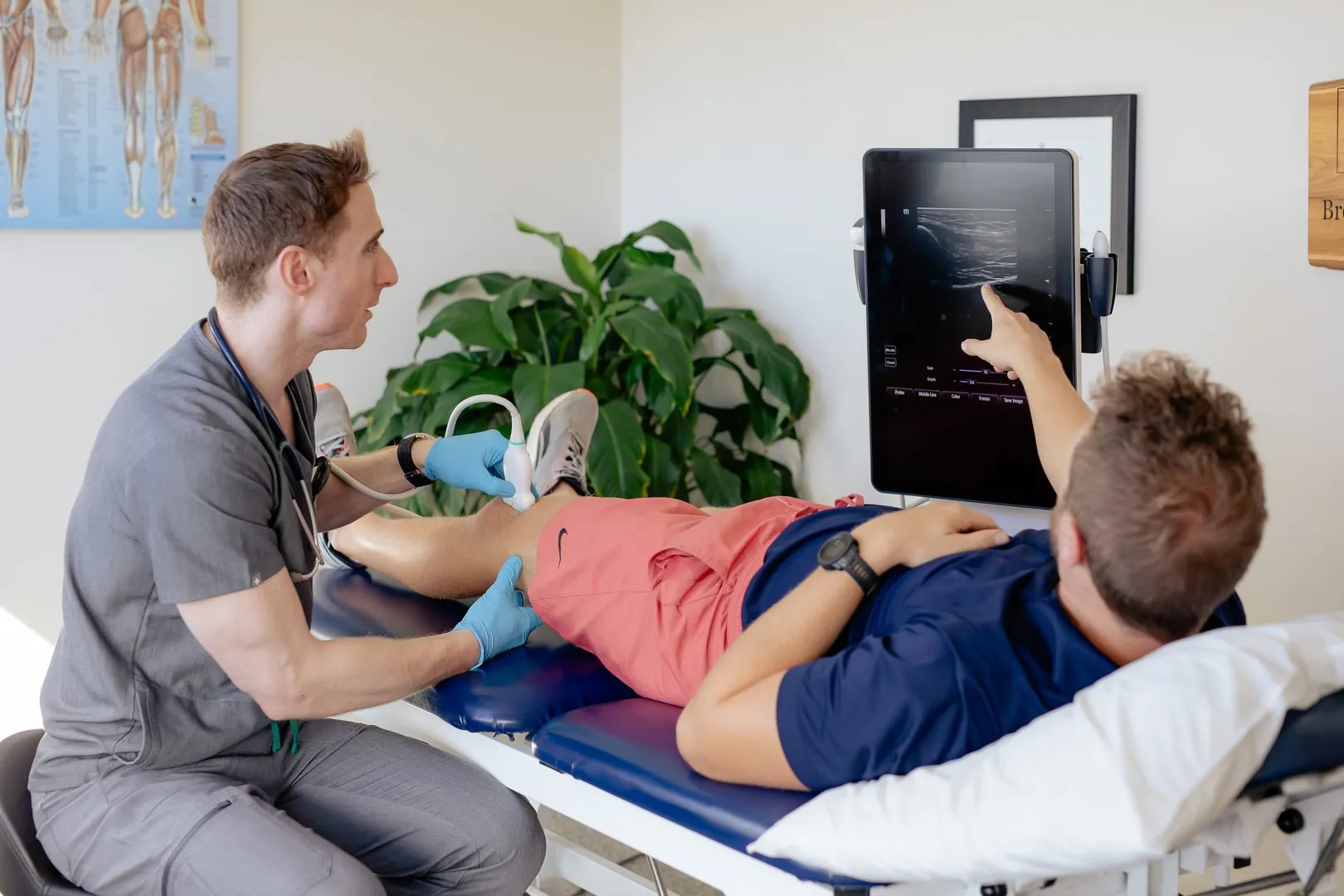
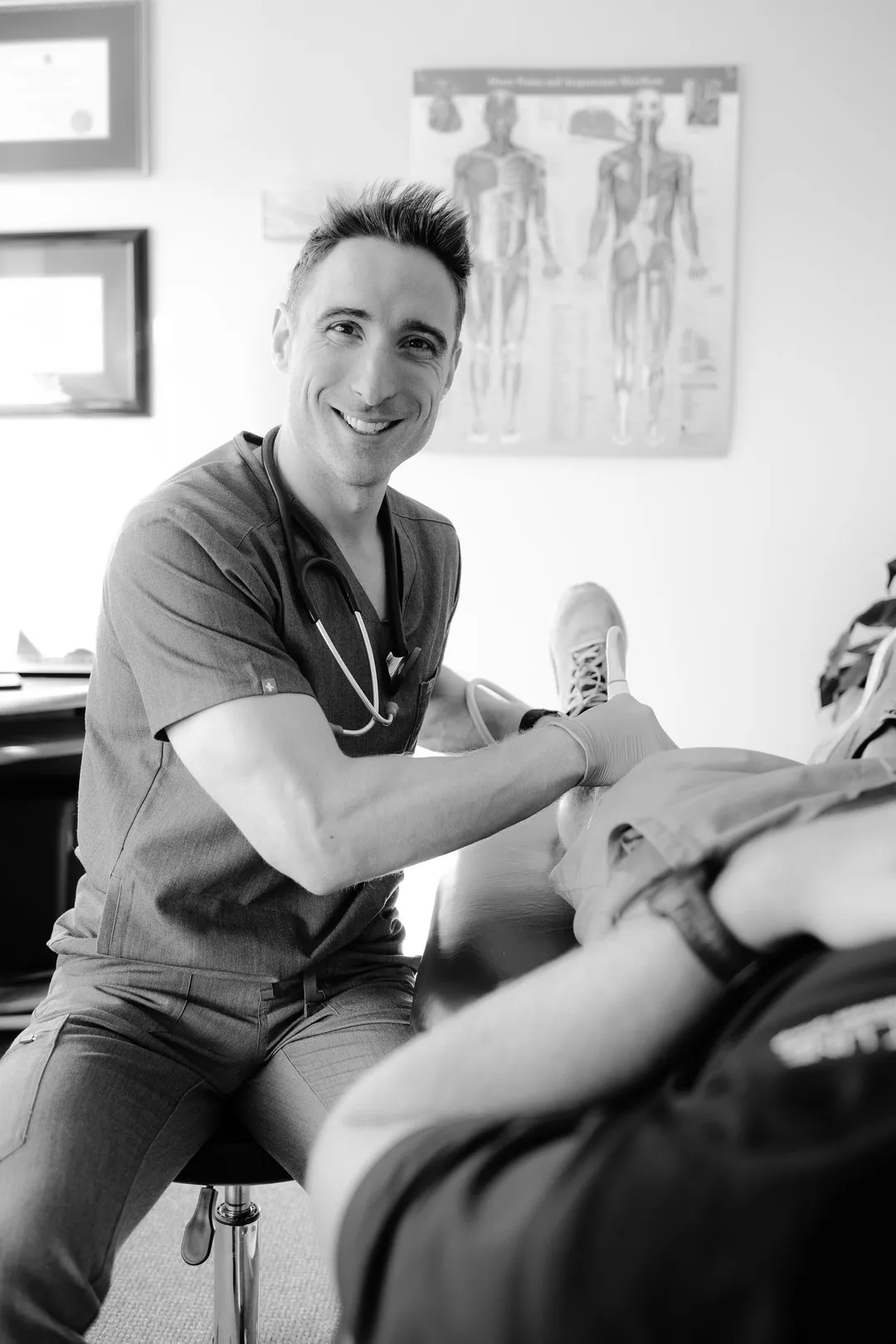
Sports Injuries Can Affect Performance, Mobility, and Recovery
Sports injuries can affect athletes, active individuals, weekend warriors, and anyone participating in physical activity or repetitive movement.
Injuries may develop suddenly during activity or gradually over time due to overuse, poor movement mechanics, repetitive strain, or insufficient recovery.
Sports injuries can impact strength, mobility, flexibility, coordination, and overall performance while also interfering with work, exercise, and daily life.
At Start Line Health, our team works with patients recovering from a wide range of sports injuries using integrated rehabilitation and treatment approaches designed to reduce pain, restore movement, and support long-term recovery.
Understanding Common Sports Injuries
Sports injuries may involve muscles, tendons, ligaments, joints, nerves, or surrounding soft tissues depending on the activity and mechanism of injury.
Common contributing factors may include:
- Overuse and repetitive movement
- Sudden increases in training volume
- Poor movement mechanics
- Mobility or flexibility limitations
- Muscle imbalance or weakness
- Direct trauma or impact injuries
- Insufficient recovery between activities
- High-demand physical activity or sport participation
Some patients experience acute injuries such as sprains or strains, while others deal with chronic tendon pain, recurring tightness, or gradual movement limitations.
Proper assessment is important to identify contributing factors and build an effective rehabilitation plan.
Common Symptoms Associated with Sports Injuries
Sports injury symptoms can vary depending on the affected tissue and severity of the injury.
Common Symptoms
Pain during movement or exercise
Swelling or inflammation
Reduced strength or stability
Muscle tightness or spasms
Joint stiffness
Reduced mobility or flexibility
Pain during running, lifting, or sport activity
Weakness or instability
Difficulty returning to activity
Recurring pain during training or exercise
Persistent or worsening symptoms may benefit from professional assessment and rehabilitation support.
Treatment Options for Sports Injuries
Treatment recommendations depend on the type of injury, severity of symptoms, activity demands, and recovery goals. At Start Line Health, sports injury treatment plans may include a combination of rehabilitation, movement therapy, and orthopedic treatment approaches.
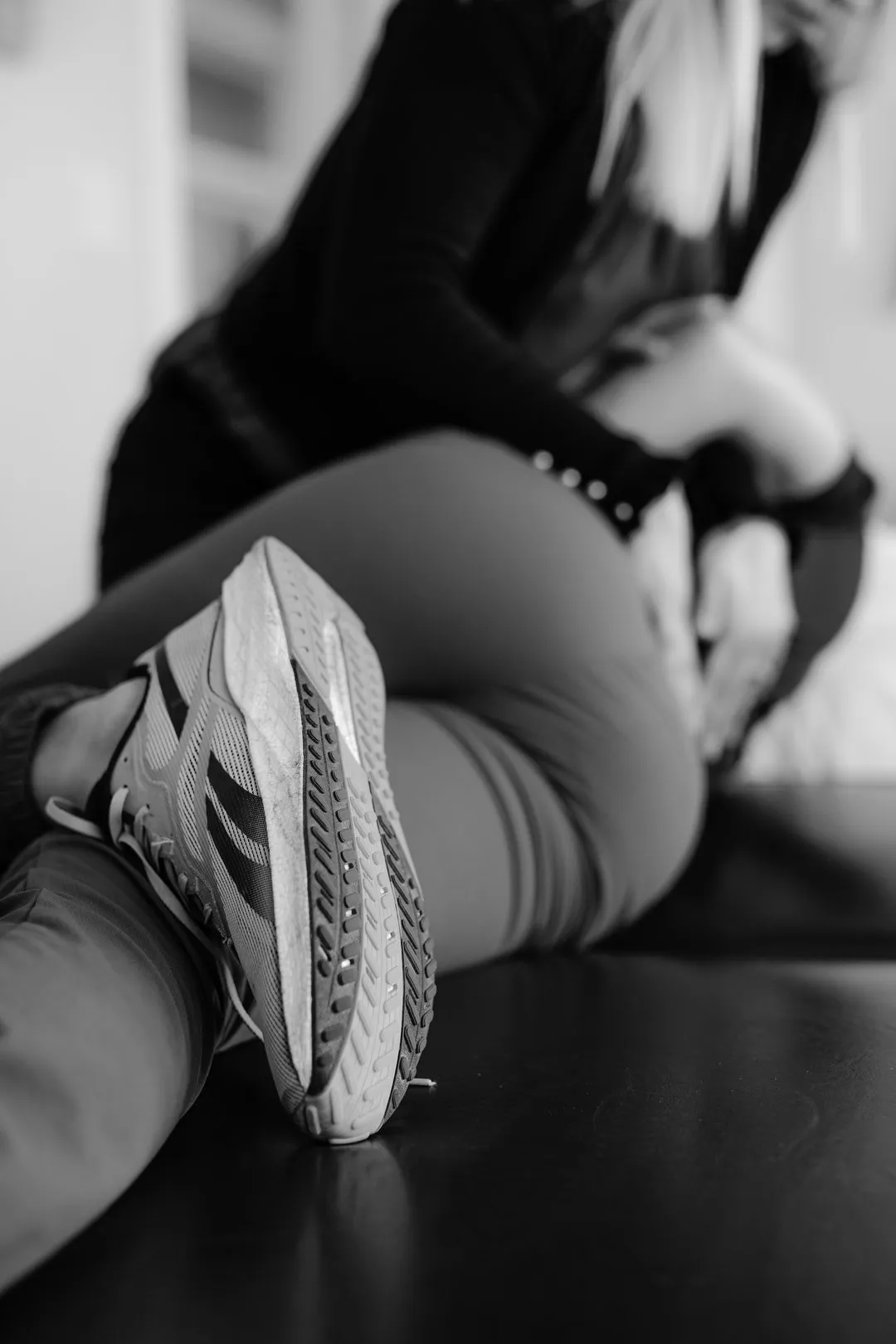
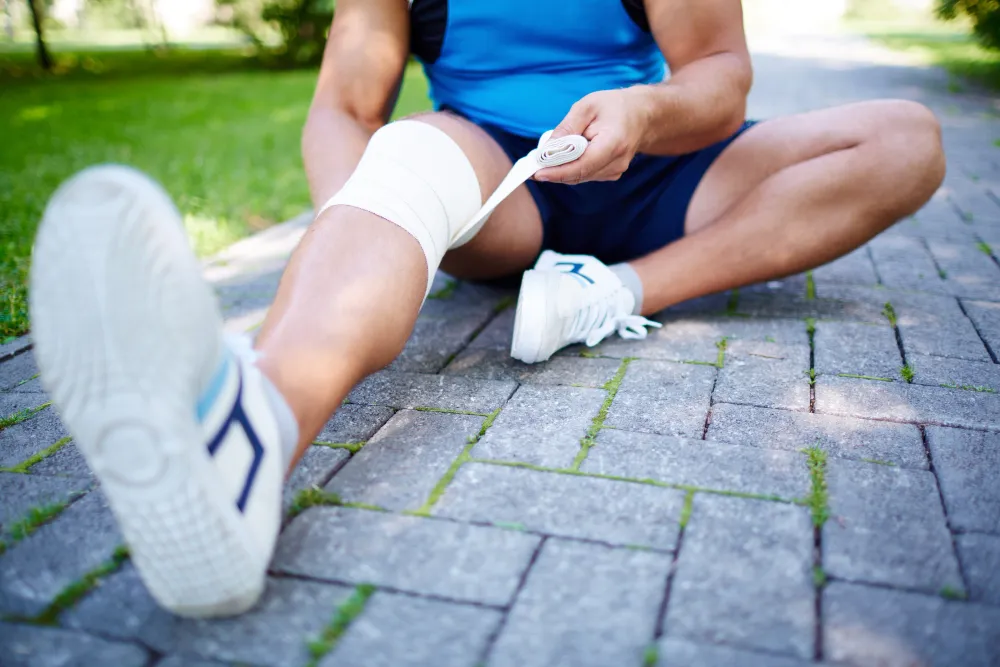
When to Seek Treatment for a Sports Injury
Some mild sports injuries improve with rest and recovery, while others may continue worsening over time without proper rehabilitation.
Patients should consider professional assessment when:
Pain continues returning during activity
Mobility or strength becomes limited
Swelling or instability develops
Recovery feels incomplete
Exercise or sport performance declines
Returning to activity causes recurring symptoms
Early intervention may help improve recovery outcomes and reduce the risk of reinjury or chronic movement dysfunction.
A Collaborative Approach to Sports Injury Recovery
At Start Line Health, sports injury treatment is approached through a collaborative rehabilitation model focused on improving recovery, restoring movement, and supporting long-term performance.
This integrated approach helps support safer return-to-activity progression and long-term physical resilience.

Sports Injury FAQs
What are the most common sports injuries?
Common sports injuries include sprains, strains, tendonitis, ligament injuries, muscle tightness, overuse injuries, and joint-related pain conditions.
Can physiotherapy help sports injuries?
Yes. Physiotherapy is commonly used to help reduce pain, restore movement, improve strength, and support safe return to activity after injury.
What treatments are available for sports injuries?
Treatment options may include physiotherapy, kinesiology, shockwave therapy, PRP therapy, massage therapy, and rehabilitation exercises.
How long does sports injury recovery take?
Recovery timelines vary depending on the type of injury, severity, activity level, and treatment approach.
When should I seek treatment for a sports injury?
You should consider professional assessment if pain persists, movement becomes restricted, performance declines, or symptoms continue returning during activity.
Sports Injury Treatment in Duncan — Two Convenient Locations
.webp)
.webp)
.webp)
Recover Stronger from Sports Injuries
If pain, injury, or movement limitations are affecting your ability to train, compete, or stay active, Start Line Health offers integrated treatment approaches designed to support recovery and long-term performance. Our team can help determine the most appropriate rehabilitation plan based on your injury, activity level, and recovery goals.