
PRP Therapy in Duncan, BC
What Is PRP Therapy?
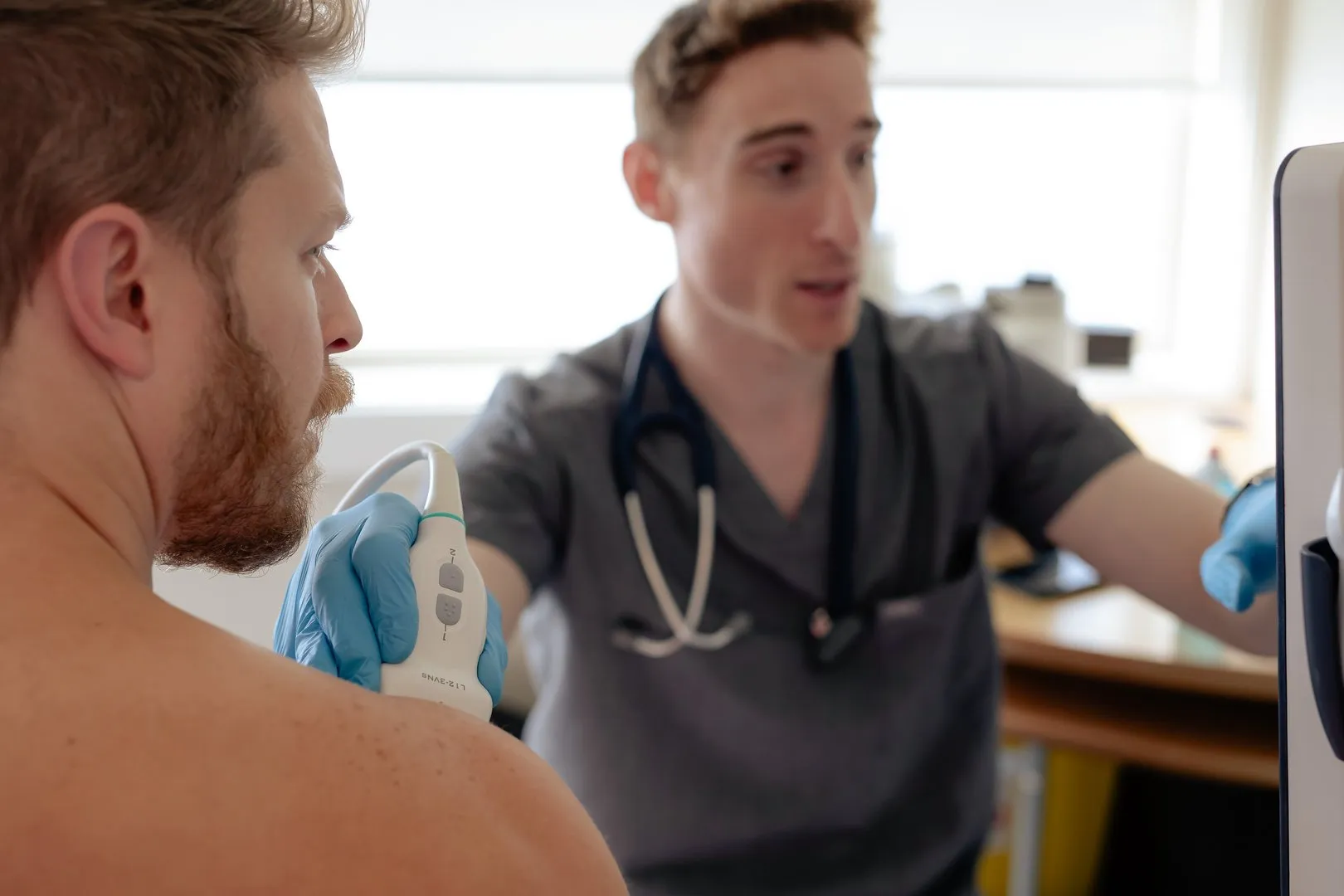
Platelet-rich plasma (PRP) therapy is a regenerative injection service that uses components from your own blood to help support the body’s natural recovery processes.
PRP contains a concentrated level of platelets and growth factors that may help support the body’s natural recovery response. PRP may be considered for patients experiencing tendon pain, joint discomfort, soft tissue irritation, or chronic musculoskeletal concerns.
At Start Line Health, PRP therapy may be used as part of a broader care plan designed to support pain management, function, and longer-term recovery goals.
Platelet-Rich Plasma Therapy for Joint, Tendon, and Soft Tissue Recovery Support
PRP therapy is commonly used in orthopedic and regenerative medicine settings to help support recovery in areas where symptoms may be persistent or slower to improve.
Unlike approaches focused primarily on short-term symptom management, platelet-rich plasma therapy is designed to support the body’s natural recovery environment.
PRP injections may be considered for patients experiencing:
- Chronic tendon pain
- Joint pain or stiffness
- Sports-related concerns
- Repetitive strain symptoms
- Persistent inflammation or irritation
Care recommendations vary depending on symptoms, clinical presentation, severity, and overall recovery goals.
Common Conditions
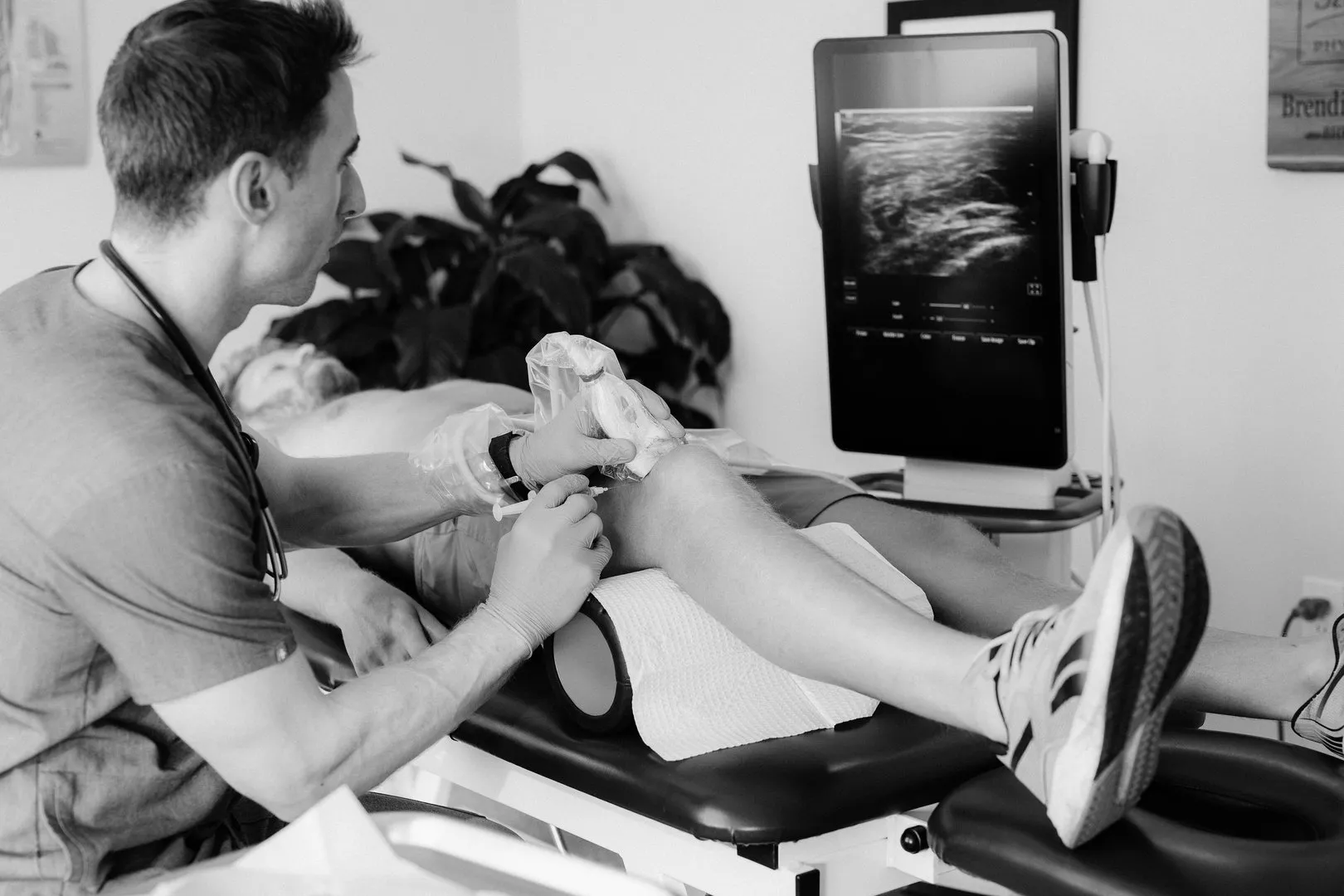
Our team commonly works with a variety of orthopedic and musculoskeletal concerns that may involve pain, inflammation, stiffness, or limited mobility.
How PRP Therapy Works
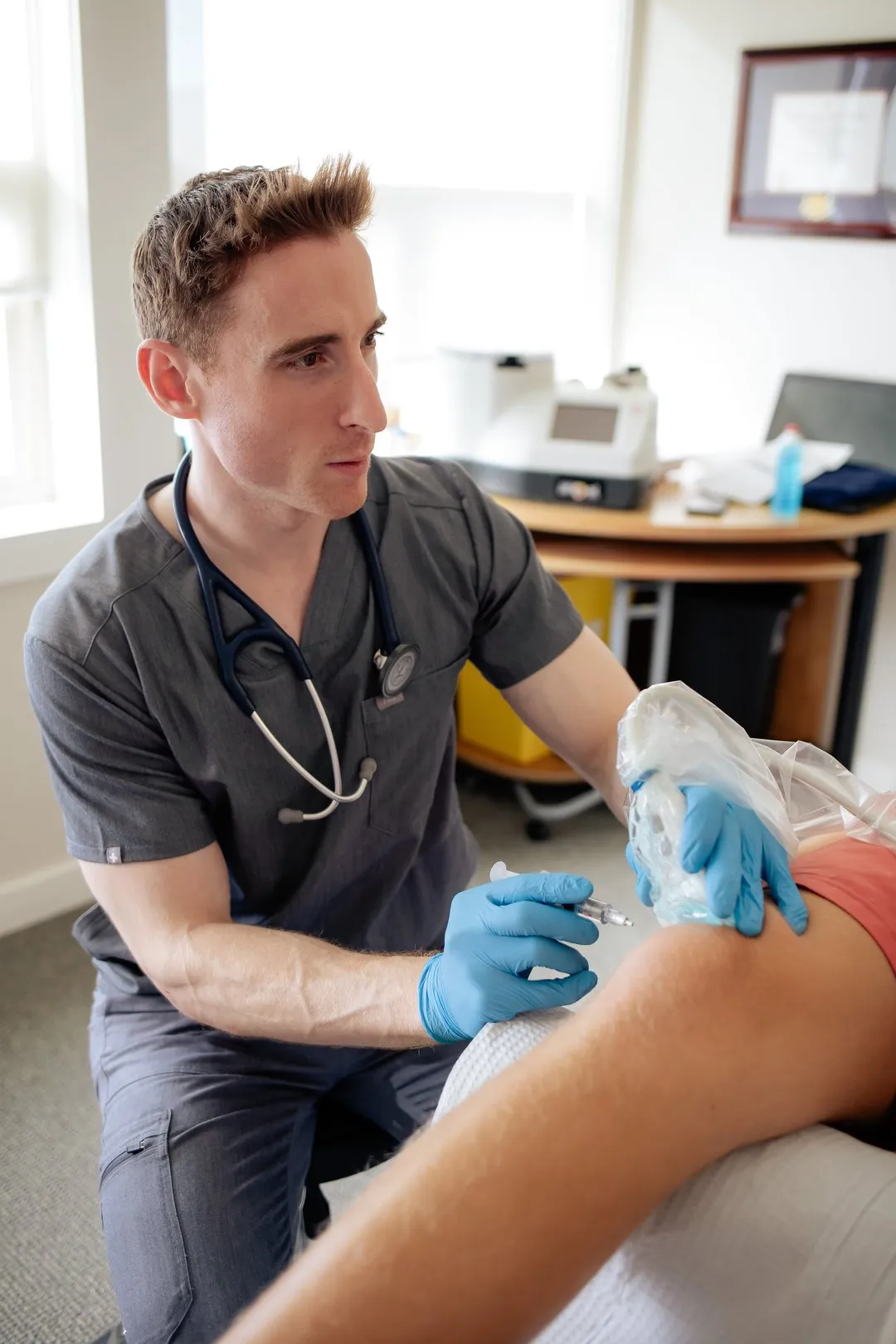
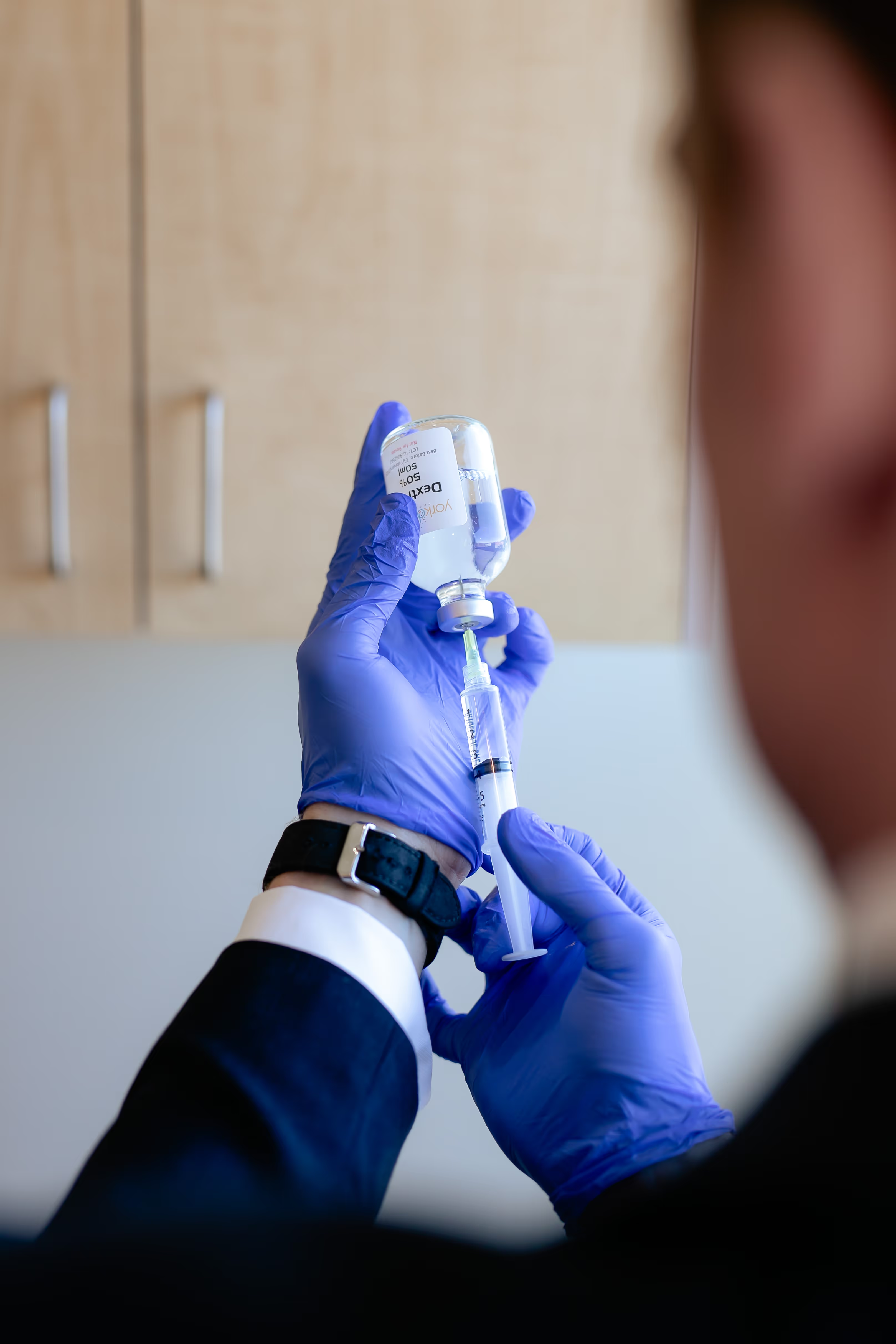
PRP therapy begins with a small blood draw performed during your appointment.
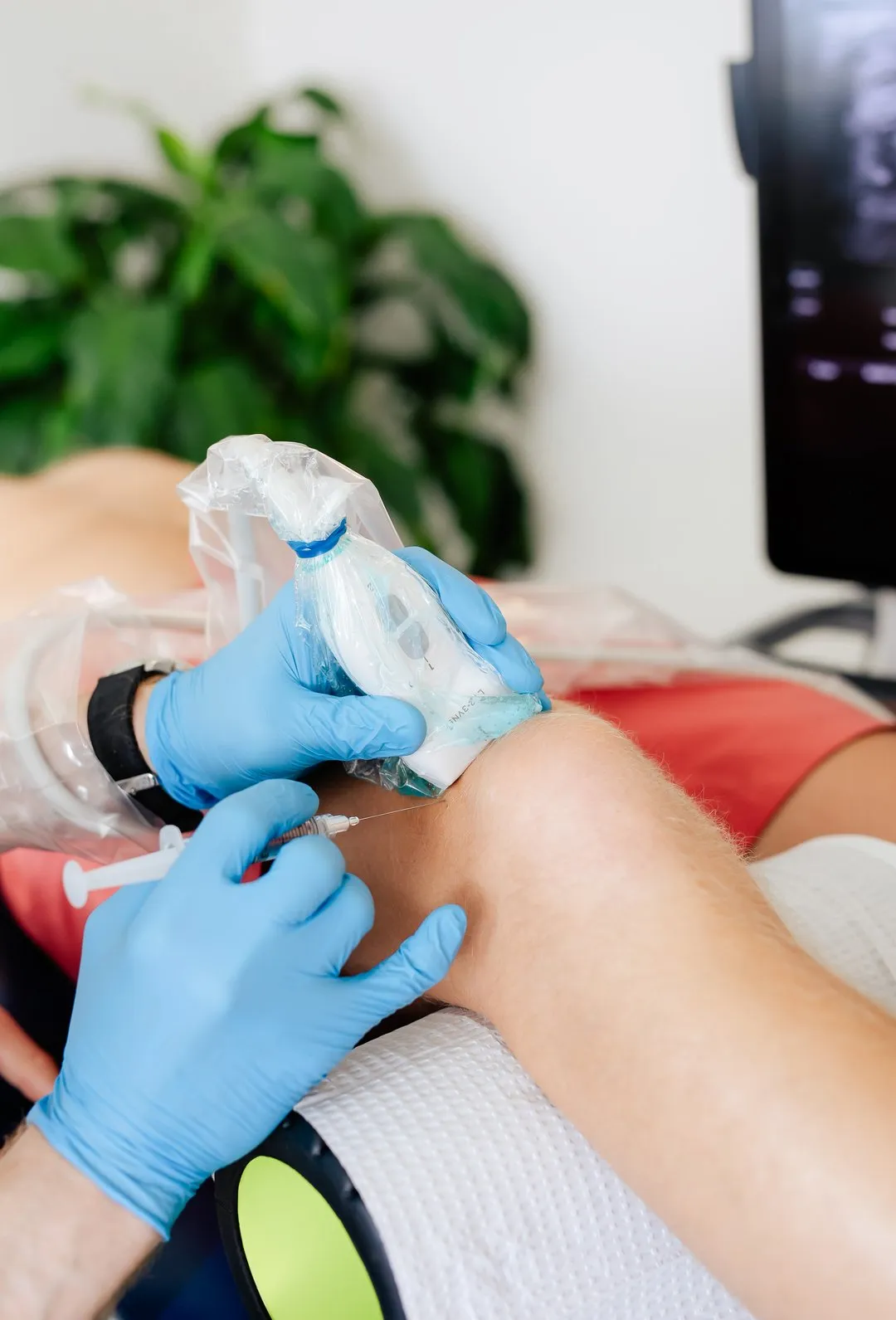
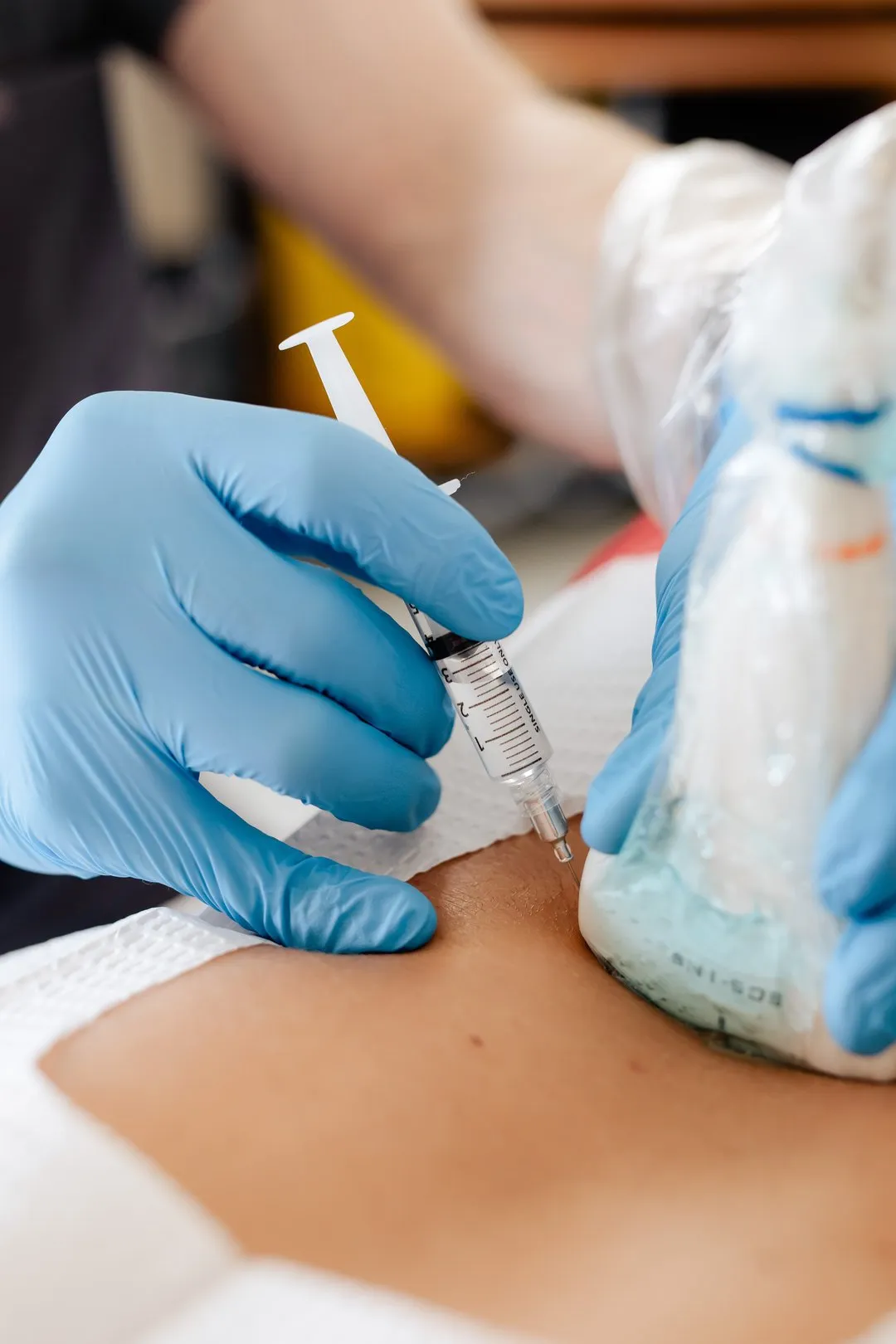
The blood is processed to concentrate the platelets and growth factors before being injected into the targeted area as part of the care plan.
The goal of PRP therapy is to help support the body’s natural recovery response in the targeted area.
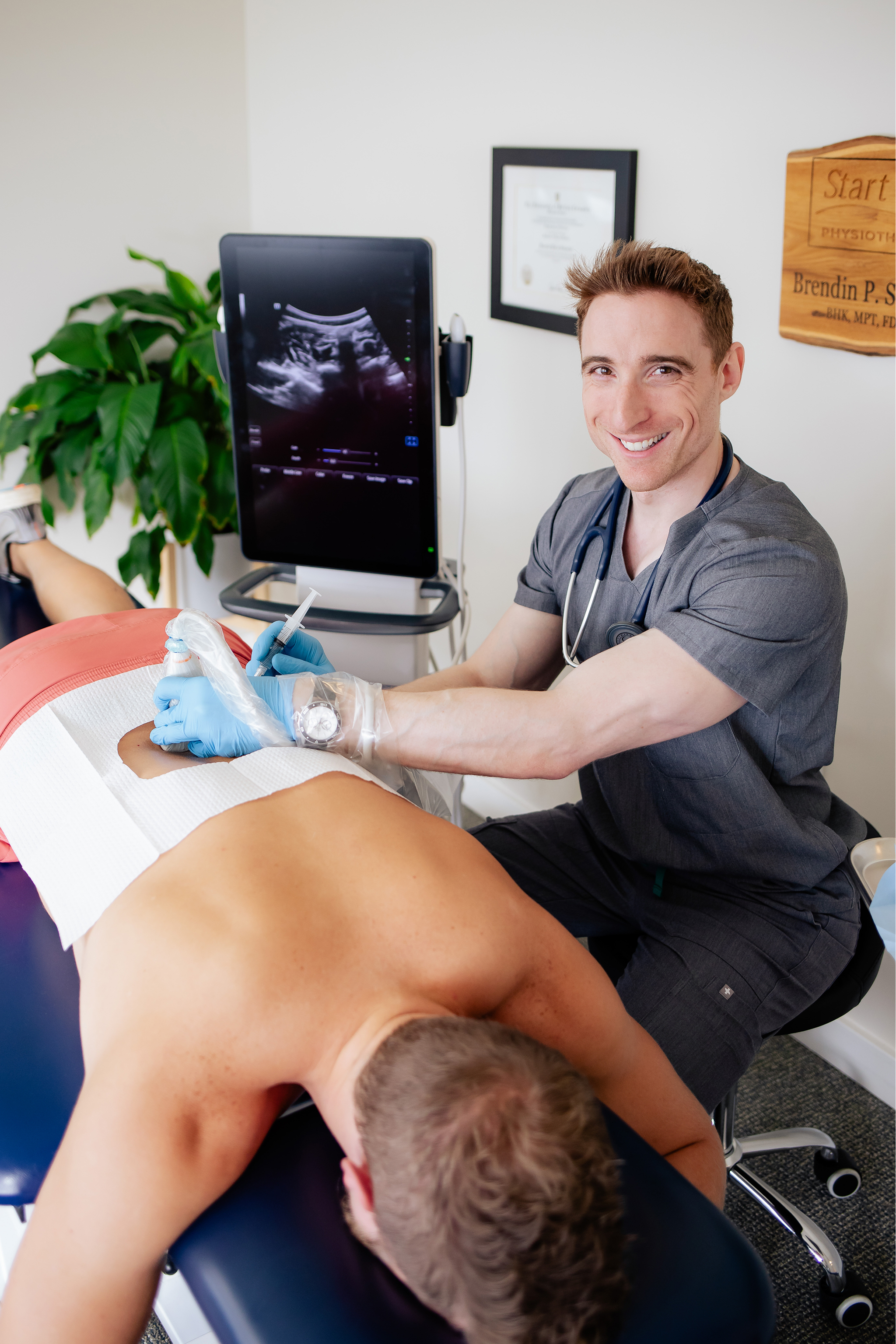
Depending on your symptoms and recovery goals, PRP therapy may be combined with physiotherapy or rehabilitation to support movement, strength, and longer-term recovery planning.
Why Patients Consider PRP Therapy
Patients often consider PRP therapy when:
Common Symptoms
Pain or symptoms continue despite conservative care
They are looking for non-surgical treatment options
Recovery from tendon or soft tissue concerns has stalled
Joint discomfort or stiffness is affecting activity and mobility
They are interested in a regenerative care option that may support recovery
PRP therapy is not appropriate for every patient, which is why assessment and care planning are important parts of the process.
Learn More About PRP Therapy
PRP Therapy as Part of a Broader Recovery Plan
At Start Line Health, PRP therapy may be integrated into a larger rehabilitation strategy when appropriate.
This allows treatment plans to evolve based on progress, recovery goals, and overall function.
Is PRP Therapy Right for You?
PRP therapy may be considered for patients who are:
The best way to determine whether PRP therapy may be appropriate is through a professional assessment.
PRP Therapy FAQs
What is PRP therapy?
PRP therapy is a regenerative treatment that uses platelet-rich plasma derived from your own blood to support tissue healing and recovery.
What concerns may PRP therapy help support?
PRP therapy may be considered as part of a care plan for concerns such as tendon pain, joint pain, plantar fascia irritation, sports-related symptoms, and chronic musculoskeletal discomfort.
How long does PRP therapy take to notice changes?
Results vary depending on the condition and severity of tissue damage. Some patients notice changes gradually over time as the body responds to the broader care plan.
Is PRP therapy the same as cortisone injections?
No. Corticosteroid injections are generally used to reduce inflammation, while PRP therapy is intended to support tissue healing and recovery.
Can PRP therapy help avoid surgery?
In some cases, PRP therapy may be considered as part of a non-surgical care plan, though suitability depends on symptoms, clinical presentation, and individual patient factors.
PRP Therapy in Duncan — Our Convenient Locations
.webp)
.webp)
.webp)
Explore Whether PRP Therapy May Be Right for You
If you are dealing with ongoing tendon pain, joint discomfort, or recovery challenges, Start Line Health offers PRP therapy as part of a broader orthopedic and rehabilitation approach. Our team can help determine whether platelet-rich plasma therapy may be appropriate based on your symptoms, needs, and goals.