
Shoulder Injury Treatment in Duncan, BC
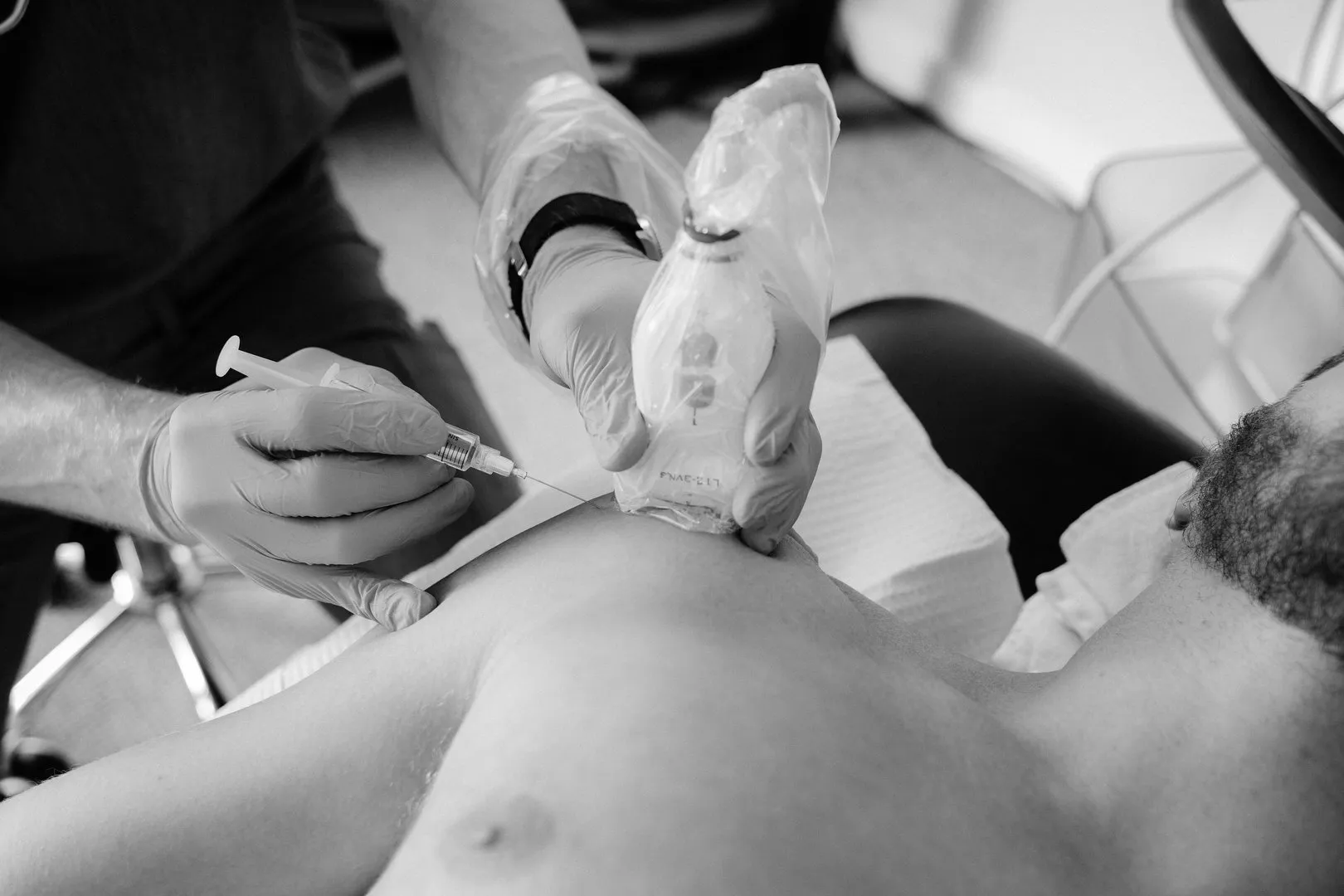

Shoulder Injuries Can Affect Strength, Mobility, and Daily Activity
Shoulder injuries are common musculoskeletal conditions that can affect movement, lifting ability, sleep quality, exercise, work tasks, and overall comfort.
Because the shoulder is one of the body’s most mobile joints, it is also vulnerable to strain, instability, overuse injuries, and soft tissue irritation.
Symptoms may develop suddenly after injury or gradually over time due to repetitive movement, sports activity, poor mechanics, or chronic wear and tear.
At Start Line Health, our team works with patients experiencing a wide range of shoulder conditions using integrated rehabilitation and treatment approaches designed to reduce pain, improve function, and support long-term recovery.
Understanding Common Causes of Shoulder Injuries
Shoulder injuries may involve muscles, tendons, ligaments, joints, bursae, or surrounding soft tissues.
Common contributing factors may include:
- Rotator cuff strain or irritation
- Repetitive overhead movement
- Sports injuries
- Tendon inflammation or degeneration
- Joint instability
- Poor posture or movement mechanics
- Weightlifting or overuse strain
- Workplace-related physical stress
Some patients experience sharp pain during movement, while others deal with chronic stiffness, weakness, or limited range of motion that gradually worsens over time.
Because shoulder pain can develop from multiple contributing factors, proper assessment is important for creating an effective recovery plan.
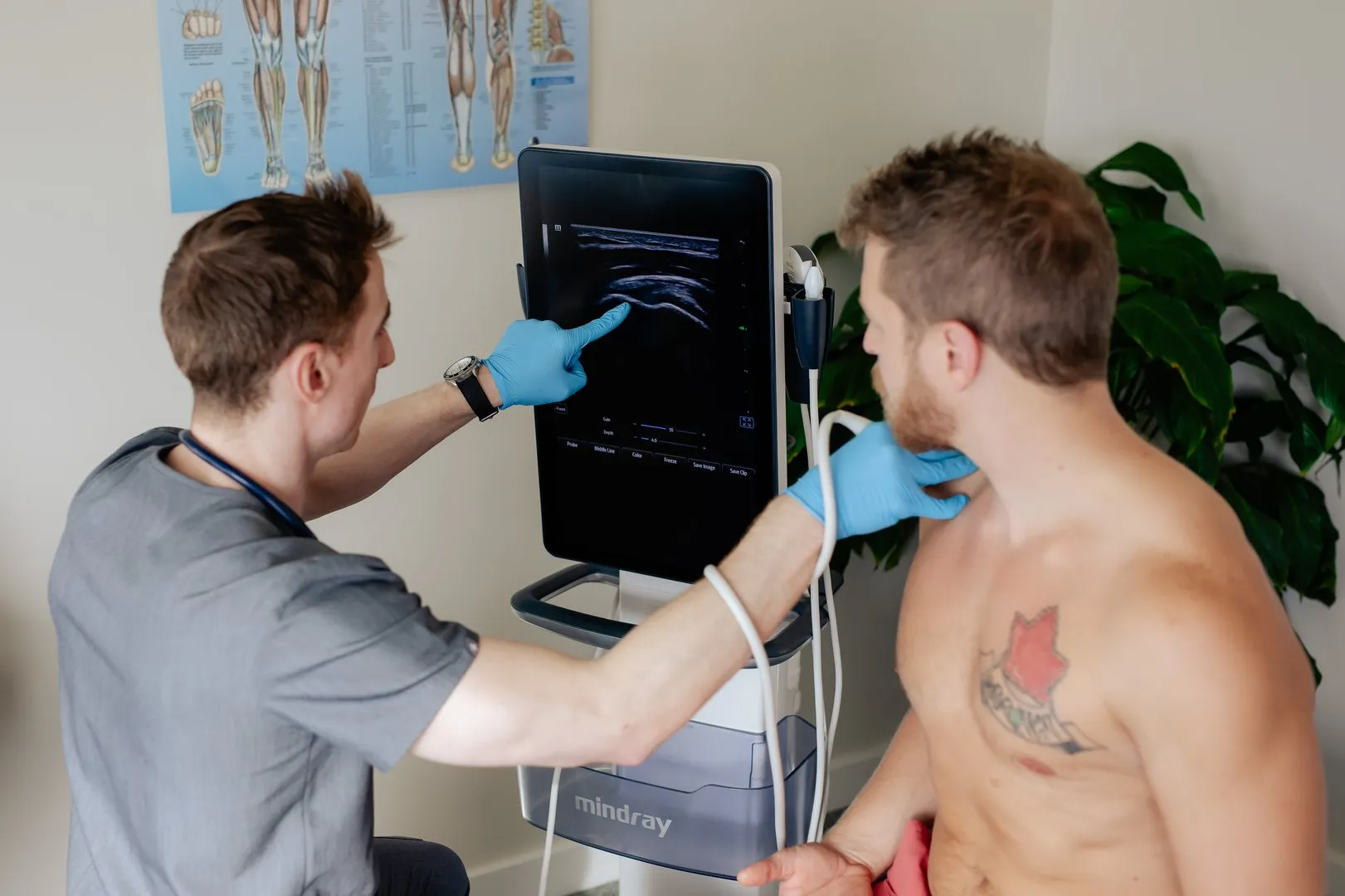
Common Symptoms Associated with Shoulder Injuries
Shoulder injury symptoms can vary depending on the condition and severity of tissue irritation or dysfunction.
Common Symptoms
Shoulder pain during movement
Weakness when lifting or reaching
Reduced range of motion
Pain while sleeping on the shoulder
Clicking or instability sensations
Muscle tightness or stiffness
Pain with overhead activity
Rotator cuff discomfort
Pain radiating into the upper arm
Difficulty exercising or performing daily tasks
Persistent or worsening symptoms may benefit from professional assessment and rehabilitation support.
Treatment Options for Shoulder Injuries
Treatment recommendations depend on the cause of symptoms, severity of pain, movement limitations, and recovery goals. At Start Line Health, shoulder injury treatment plans may include a combination of rehabilitation, movement therapy, and orthopedic treatment approaches.
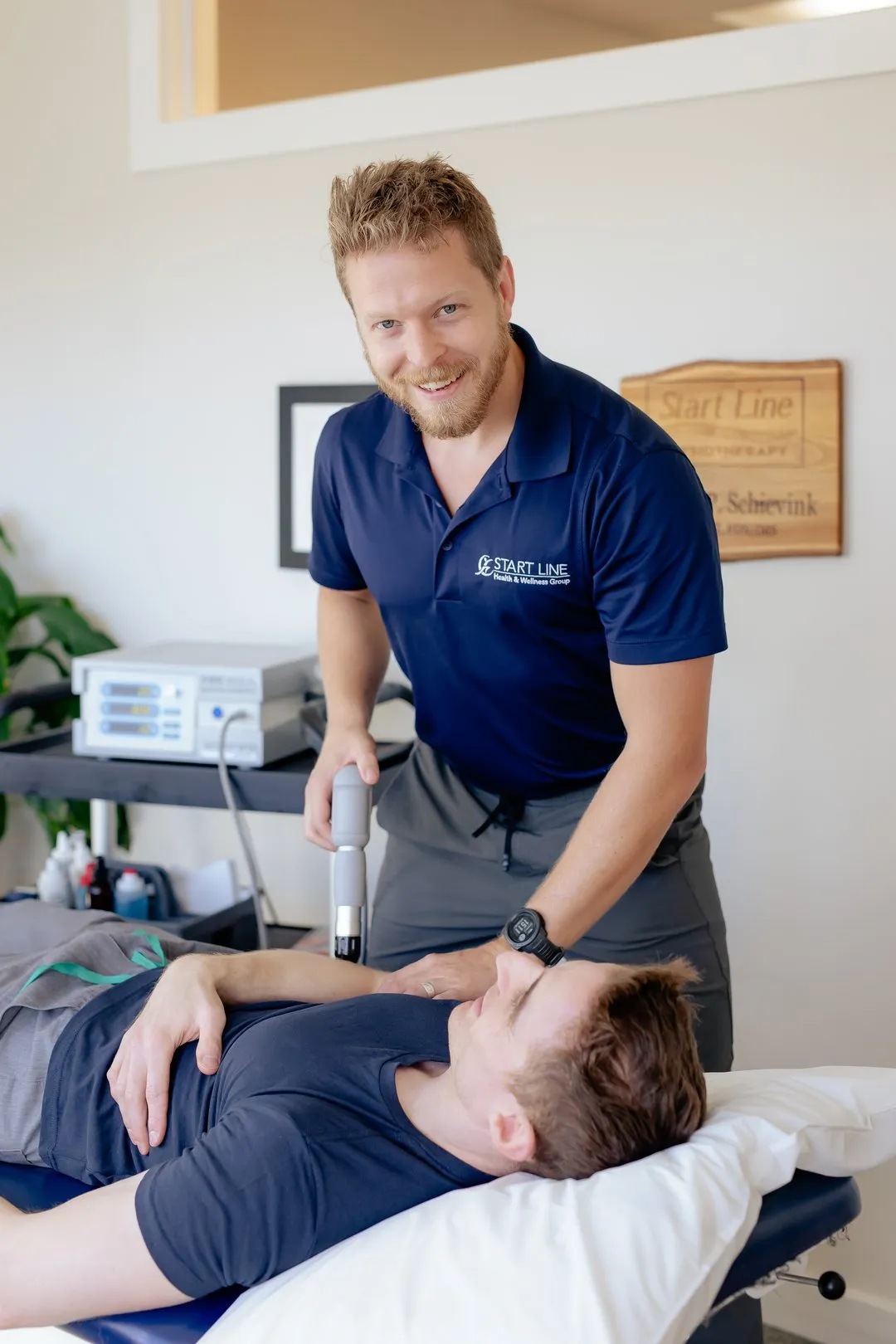

When to Seek Treatment for Shoulder Pain
Some shoulder injuries improve with rest and activity modification, while others may continue to worsen over time without proper treatment.
Patients should consider professional assessment when:
Pain continues returning or becoming more frequent
Weakness or instability develops
Mobility becomes restricted
Sleep is affected by shoulder discomfort
Exercise or lifting becomes painful
Recovery from injury has stalled
Early intervention may help improve recovery outcomes and reduce the likelihood of chronic pain or long-term movement limitations.
A Collaborative Approach to Shoulder Injury Recovery
At Start Line Health, shoulder injury treatment is approached through a collaborative rehabilitation model focused on improving movement, reducing pain, and restoring long-term function.
This integrated approach allows patients to access multiple treatment options within one connected clinic environment.

Shoulder Injury FAQs
What causes shoulder injuries?
Shoulder injuries may develop from overuse, sports activity, rotator cuff strain, repetitive movement, poor posture, instability, or traumatic injury.
Can shoulder injuries heal without surgery?
Many shoulder injuries can improve with rehabilitation, physiotherapy, exercise-based recovery, and non-surgical treatment approaches depending on the condition.
What treatments are available for shoulder pain?
Treatment options may include physiotherapy, massage therapy, shockwave therapy, PRP therapy, injection therapy, and rehabilitation exercises.
What is the most common shoulder injury?
Rotator cuff injuries and tendon irritation are among the most common shoulder conditions affecting mobility and strength.
When should I seek treatment for shoulder pain?
You should consider professional assessment if pain persists, mobility becomes restricted, weakness develops, or symptoms interfere with sleep, work, or activity.
Shoulder Injury Treatment in Duncan — Two Convenient Locations
.webp)
.webp)
.webp)
Get Support for Shoulder Pain and Recovery
If shoulder pain or injury is affecting your movement, strength, or daily activities, Start Line Health offers integrated treatment approaches designed to support recovery and improve long-term function. Our team can help determine the most appropriate treatment plan based on your symptoms, condition, and recovery goals.