
Frozen Shoulder Treatment in Duncan, BC
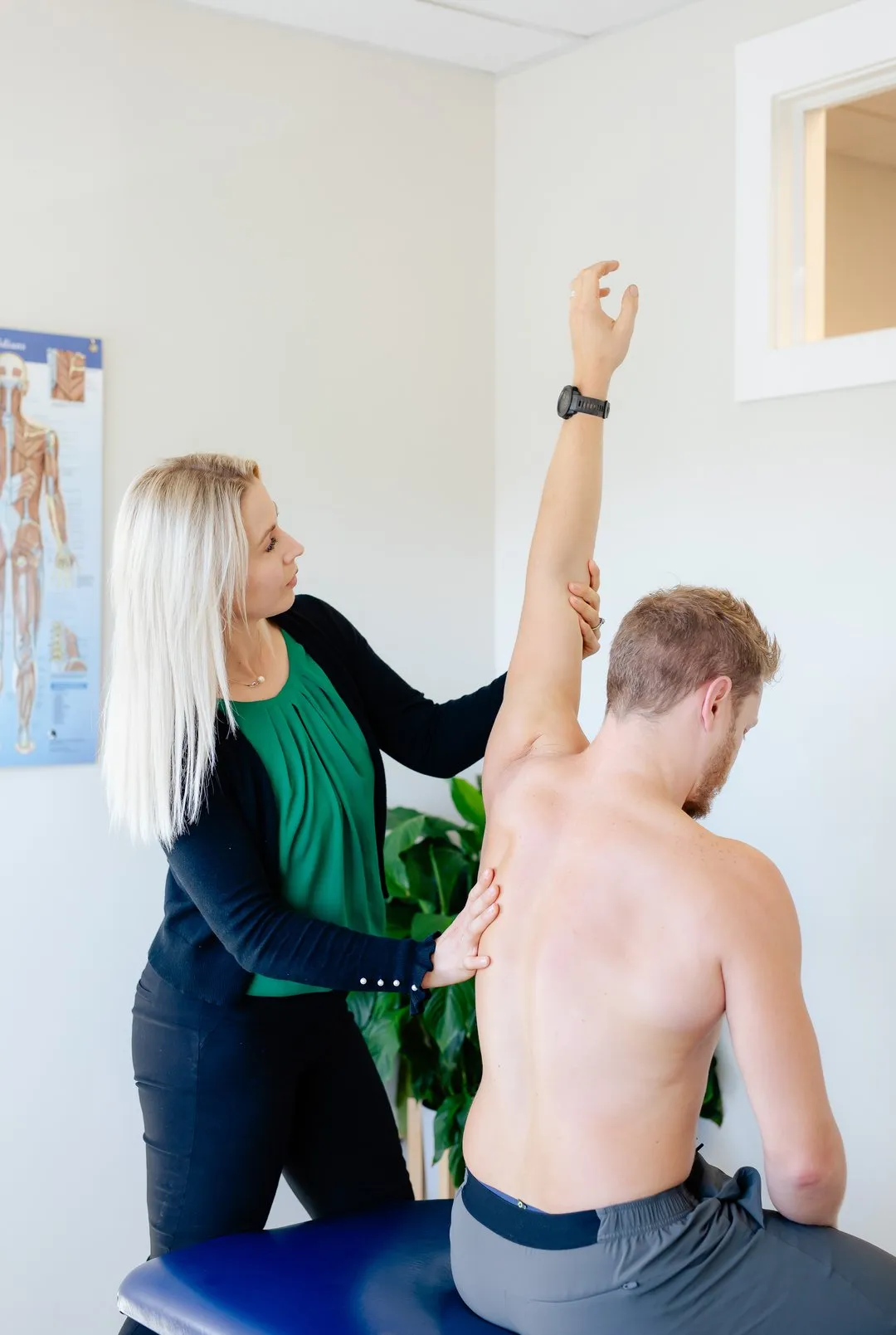

Frozen Shoulder Can Significantly Limit Movement and Daily Activity
Frozen shoulder, also known as adhesive capsulitis, is a condition that causes progressive shoulder stiffness, pain, and reduced range of motion.
The condition often develops gradually over time and can make everyday activities like reaching, lifting, dressing, sleeping, or exercising difficult and uncomfortable.
Frozen shoulder may progress through different stages, beginning with increasing pain and eventually leading to significant movement restriction before gradual recovery occurs.
At Start Line Health, our team works with patients experiencing frozen shoulder using integrated rehabilitation and treatment approaches designed to reduce pain, restore movement, and support long-term recovery.
Understanding the Causes of Frozen Shoulder
Frozen shoulder develops when the connective tissue surrounding the shoulder joint becomes irritated, thickened, and restricted, leading to pain and reduced mobility.
Common contributing factors may include:
- Previous shoulder injury
- Post-surgical immobilization
- Rotator cuff irritation
- Reduced shoulder movement over time
- Chronic inflammation
- Diabetes and metabolic conditions
- Long periods of inactivity
- Joint stiffness and mobility dysfunction
Some patients experience worsening pain initially, while others primarily notice progressive stiffness and loss of shoulder mobility.
Because frozen shoulder can significantly impact long-term movement and function, proper assessment and rehabilitation planning are important.

Common Symptoms Associated with Frozen Shoulder
Frozen shoulder symptoms can vary depending on the stage and severity of the condition.
Common Symptoms
Shoulder stiffness
Reduced range of motion
Pain while lifting or reaching
Difficulty reaching overhead
Pain during sleep
Shoulder tightness
Difficulty dressing or performing daily tasks
Pain with movement
Progressive mobility loss
Persistent or worsening symptoms may benefit from professional assessment and rehabilitation support.
Treatment Options for Frozen Shoulder
Treatment recommendations depend on symptom severity, mobility limitations, stage of the condition, and recovery goals. At Start Line Health, frozen shoulder treatment plans may include a combination of rehabilitation, mobility-focused treatment, and orthopedic care approaches.


When to Seek Treatment for Frozen Shoulder
Frozen shoulder symptoms may continue progressing over time without proper rehabilitation and mobility-focused treatment.
Patients should consider professional assessment when:
Shoulder stiffness continues worsening
Reaching or lifting becomes difficult
Pain interferes with sleep or daily activities
Mobility becomes increasingly restricted
Recovery after injury or surgery stalls
Symptoms continue limiting movement and function
Early intervention may help improve mobility outcomes and reduce long-term shoulder restriction.
A Collaborative Approach to Frozen Shoulder Recovery
At Start Line Health, frozen shoulder treatment is approached through a collaborative rehabilitation model focused on improving mobility, reducing pain, and restoring long-term shoulder function.
This integrated approach allows patients to access multiple treatment options within one connected clinic environment.

Frozen Shoulder FAQs
What is frozen shoulder?
Frozen shoulder, also known as adhesive capsulitis, is a condition involving pain and progressive stiffness affecting the shoulder joint.
What causes frozen shoulder?
Frozen shoulder may develop after injury, surgery, prolonged immobilization, inflammation, or gradual mobility loss affecting the shoulder joint.
How long does frozen shoulder last?
Recovery timelines vary depending on the stage and severity of the condition. Some cases may improve gradually over several months.
What treatments are available for frozen shoulder?
Treatment options may include physiotherapy, corticosteroid injections, PRP therapy, massage therapy, mobility-focused rehabilitation, and exercise-based recovery.
When should I seek treatment for frozen shoulder?
You should consider professional assessment if shoulder stiffness, pain, or reduced mobility continues worsening or begins affecting sleep, movement, or daily activities.
Frozen Shoulder Treatment in Duncan — Two Convenient Locations
.webp)
.webp)
.webp)
Get Support for Frozen Shoulder Recovery
If shoulder stiffness, pain, or mobility limitations are affecting your daily activities or quality of life, Start Line Health offers integrated treatment approaches designed to support recovery and improve long-term function. Our team can help determine the most appropriate treatment plan based on your symptoms, condition, and recovery goals.