
Vestibular Rehabilitation Therapy in Duncan, BC
What Is Vestibular Rehabilitation Therapy?
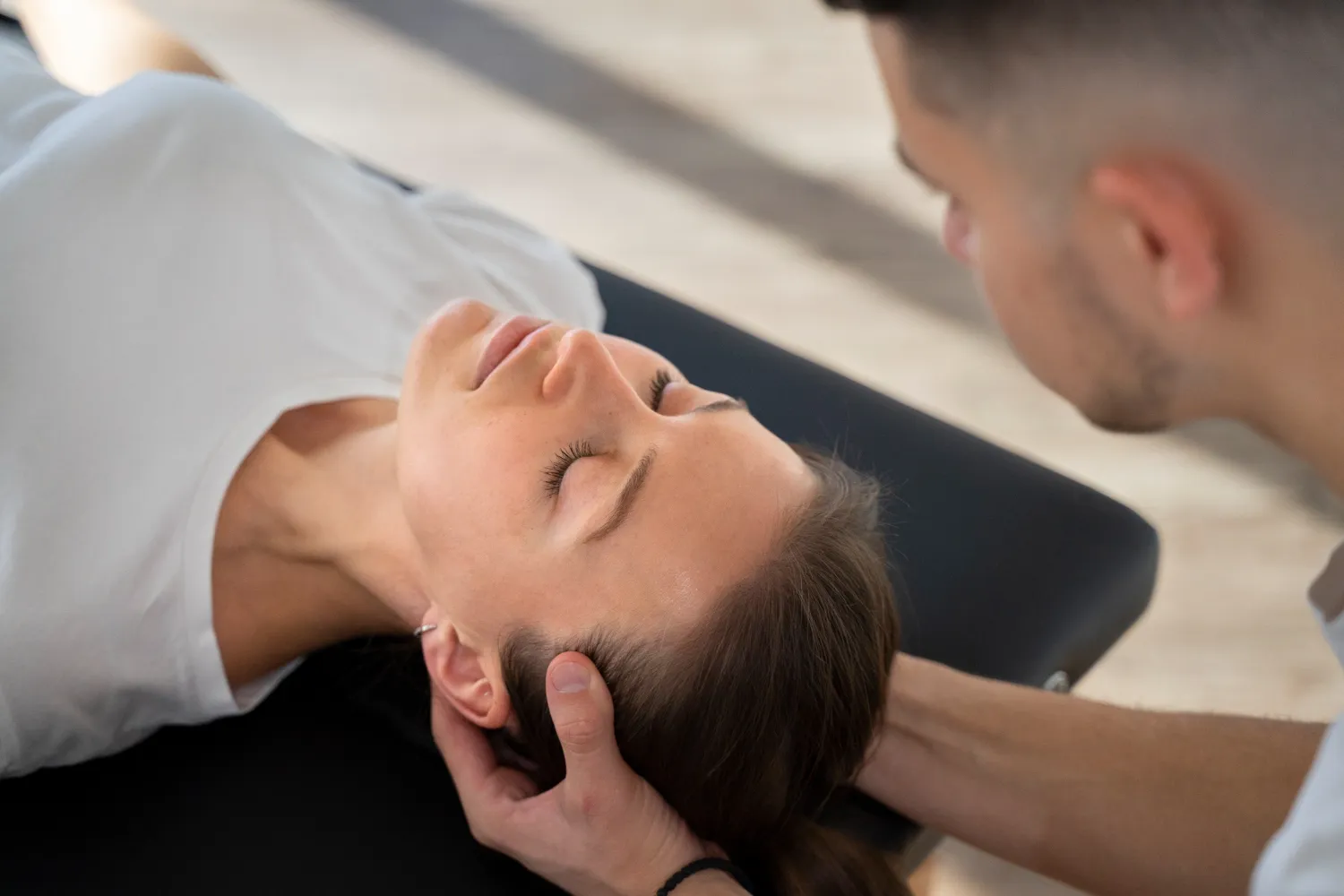
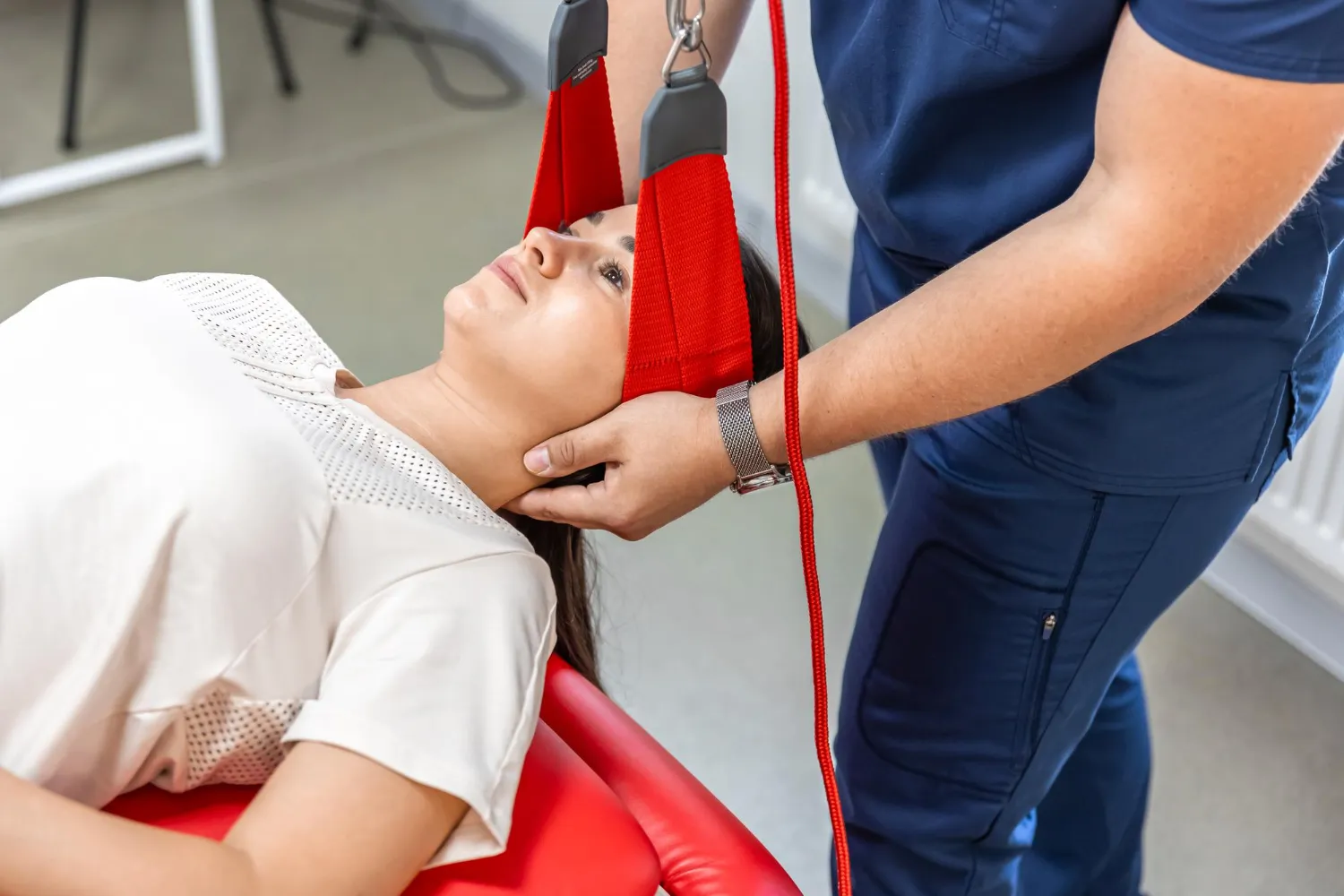
Vestibular Rehabilitation Therapy (VRT) is a specialized treatment approach used to help manage dizziness, vertigo, balance problems, and vestibular system dysfunction.
The vestibular system plays an important role in balance, coordination, and spatial awareness. When this system is disrupted, patients may experience symptoms such as dizziness, unsteadiness, motion sensitivity, nausea, or difficulty with movement and daily activities.
At Start Line Health, vestibular rehabilitation therapy is integrated into broader rehabilitation and recovery plans focused on improving balance, reducing symptoms, and restoring function and confidence in movement.
Vestibular Therapy for Dizziness, Vertigo, and Balance Disorders
Vestibular rehabilitation therapy is commonly used to help patients experiencing vestibular dysfunction and balance-related symptoms affecting movement and daily life.
Treatment may help:
- Reduce dizziness and vertigo symptoms
- Improve balance and coordination
- Reduce motion sensitivity
- Improve stability during walking and movement
- Support recovery from vestibular disorders
- Improve confidence with daily activities
VRT treatment plans are personalized based on the patient’s symptoms, condition, and recovery goals.
Conditions Commonly Treated with Vestibular Rehabilitation Therapy
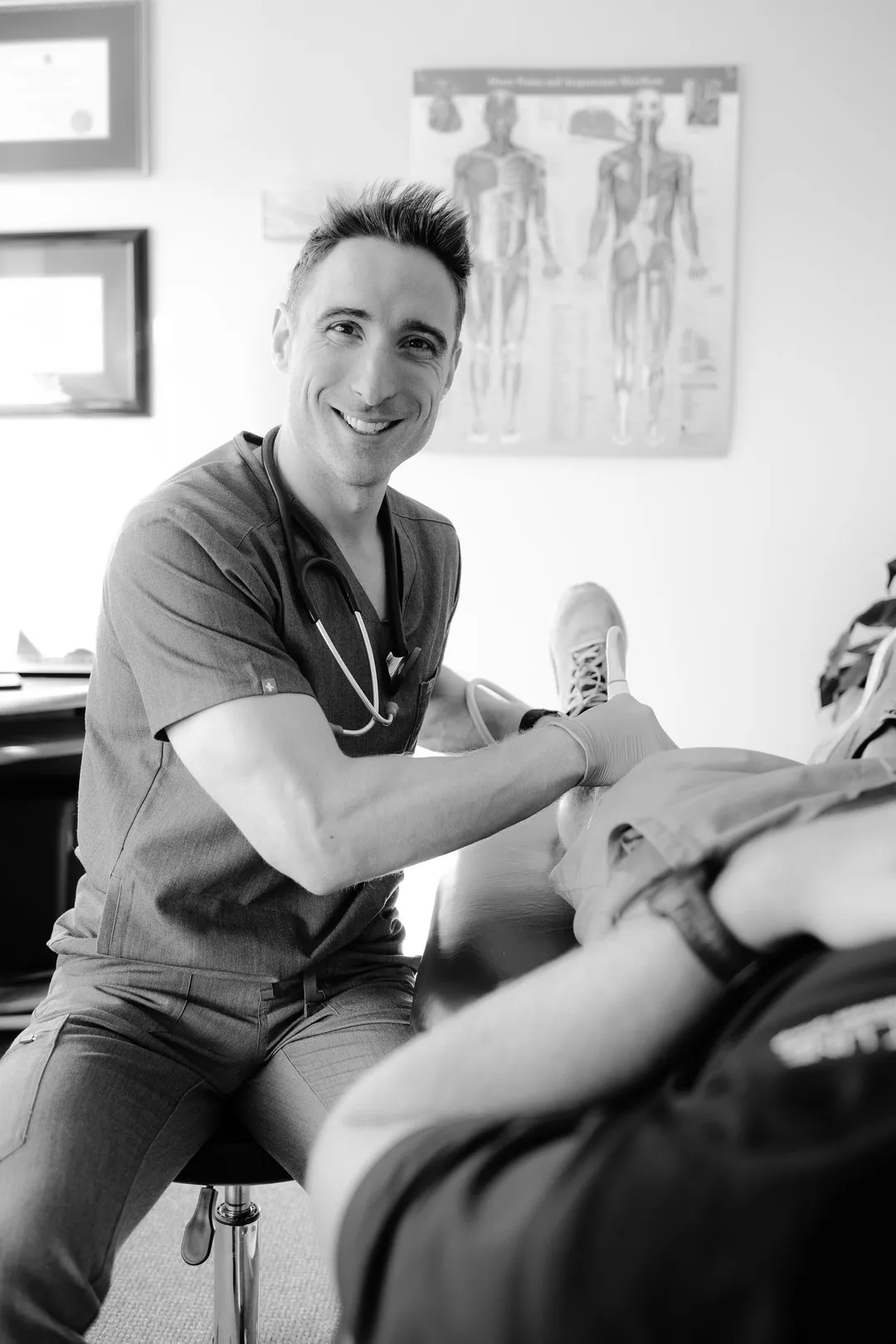
Vestibular rehabilitation therapy may help manage a variety of dizziness and balance-related conditions.
How Vestibular Rehabilitation Therapy Works
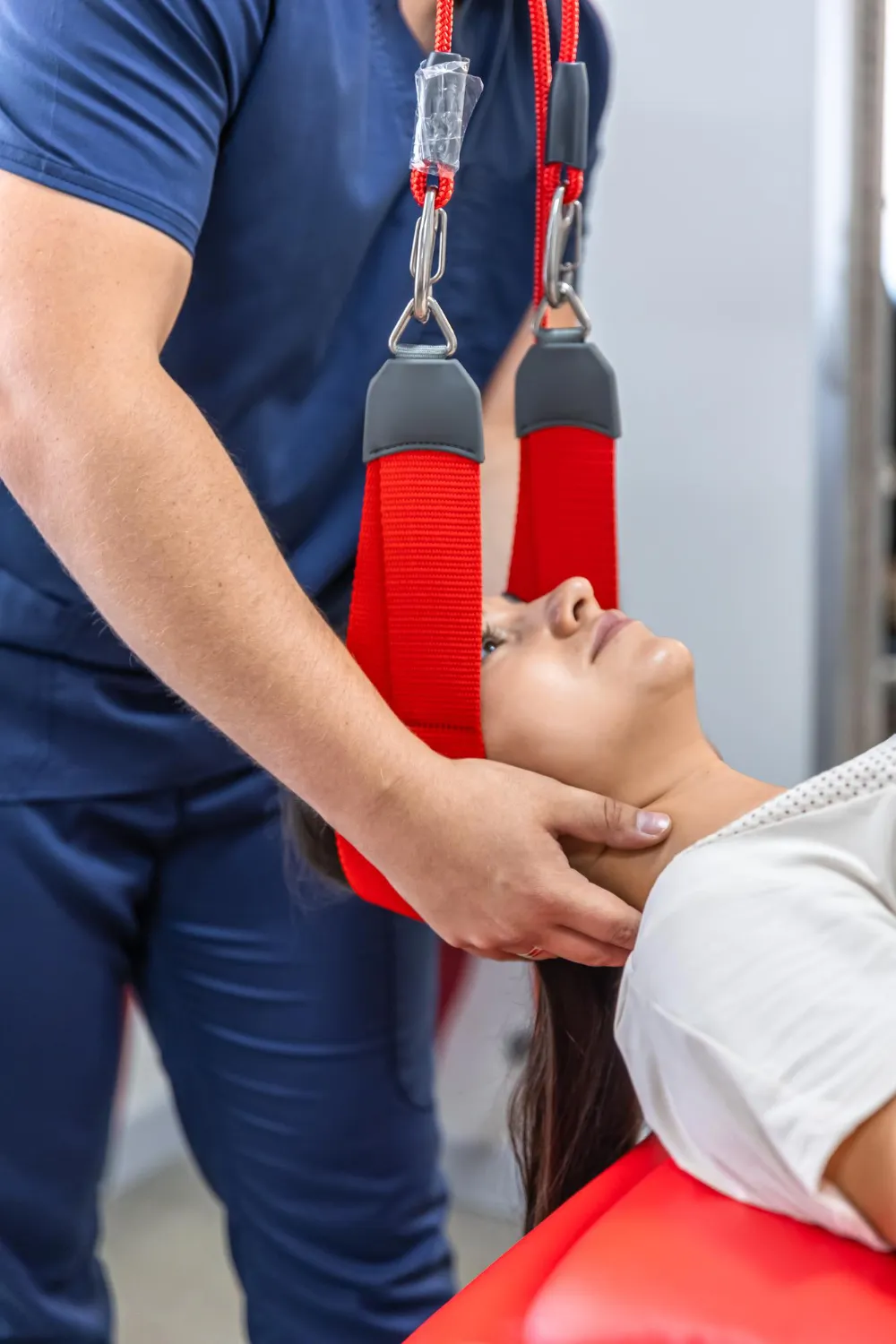
Vestibular rehabilitation therapy begins with a detailed assessment focused on understanding your symptoms, balance challenges, movement limitations, and vestibular function.
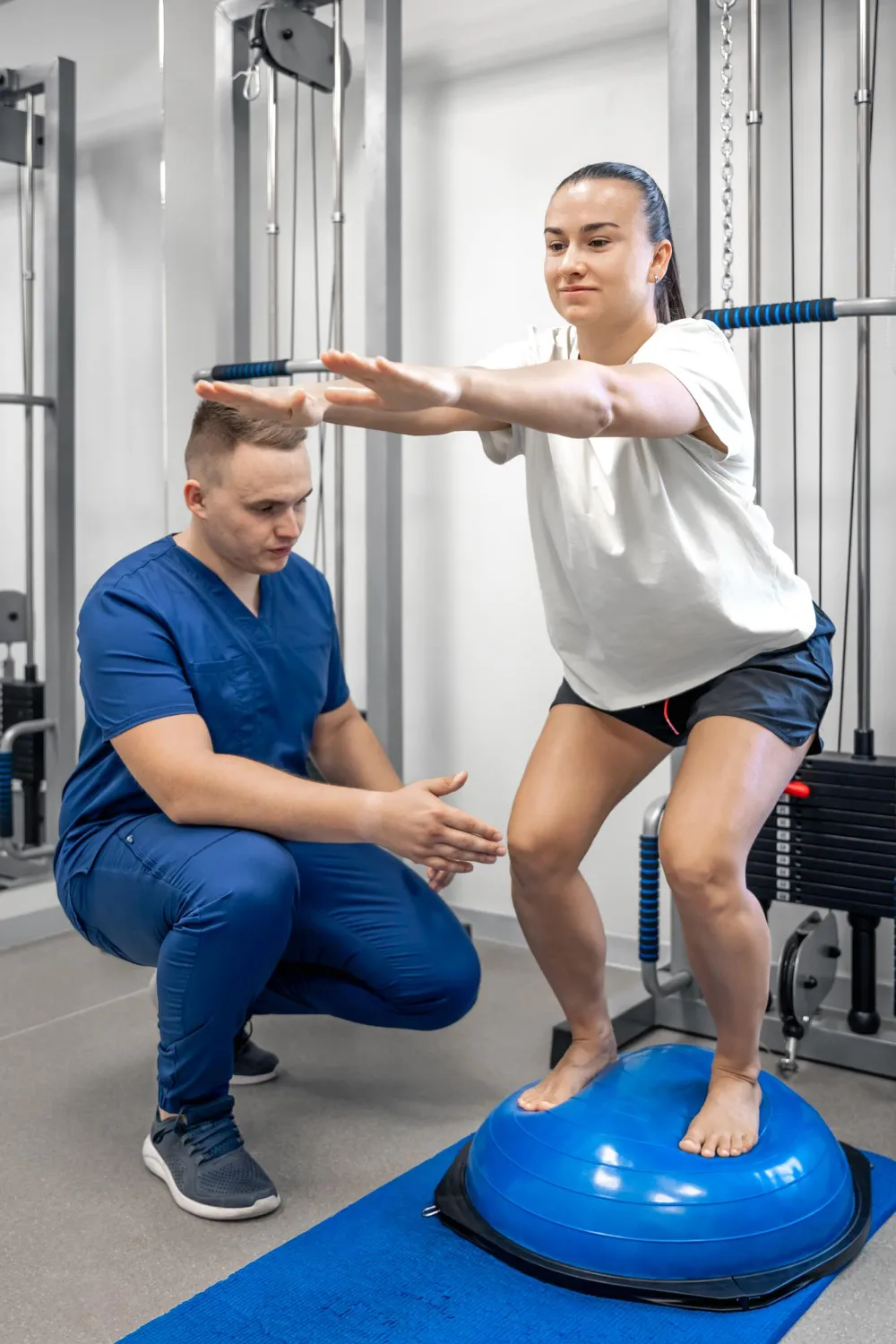
Based on the assessment findings, your practitioner develops a personalized treatment plan designed to improve balance, reduce dizziness, and restore confidence with movement.
Depending on the condition being treated, therapy may include:
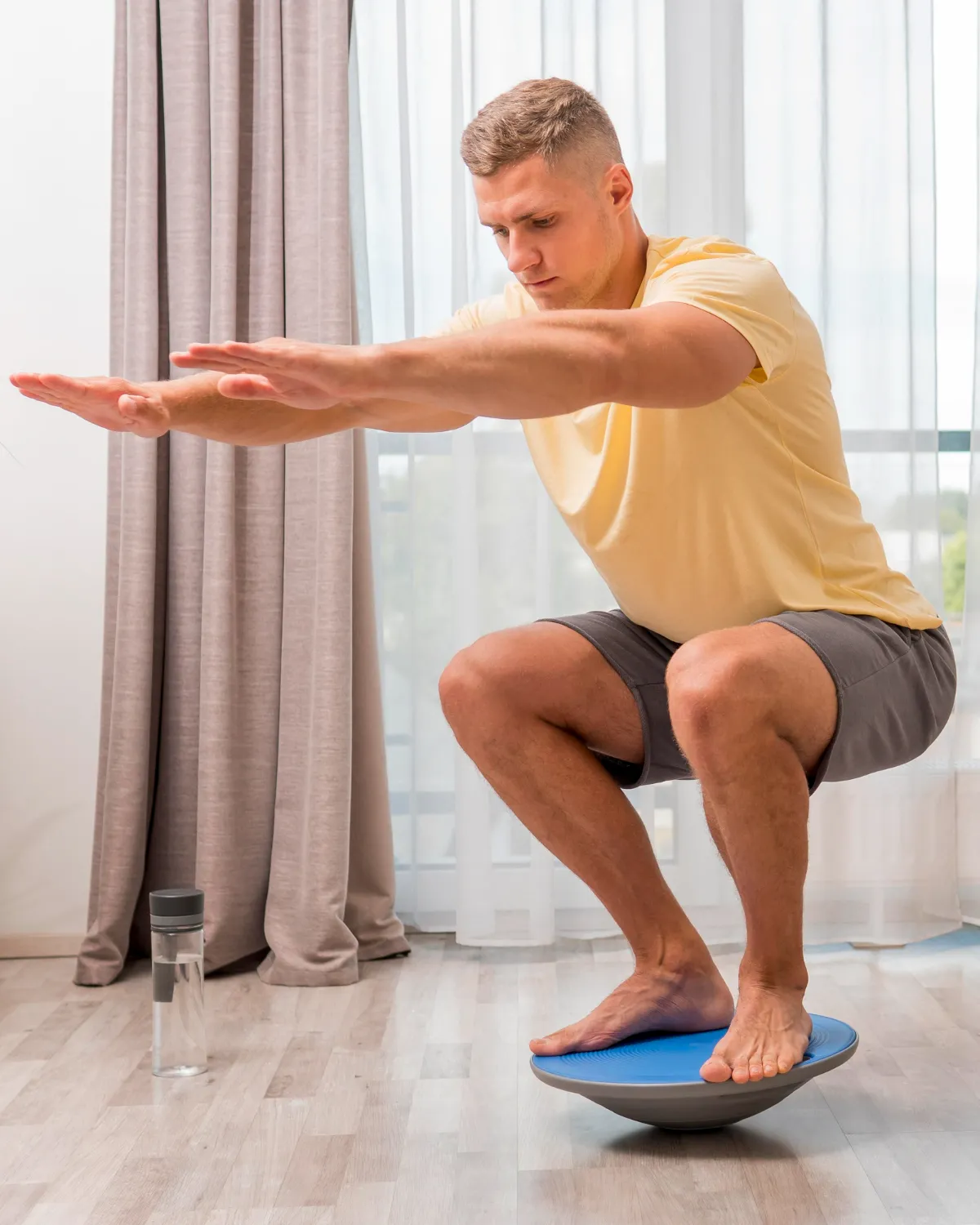
Balance exercises
Gaze stabilization exercises
Movement retraining
Vestibular adaptation exercises
Coordination and mobility work
Gradual exposure to motion-related triggers
Treatment plans are individualized based on the patient’s symptoms and recovery progress.
Why Patients Pursue Vestibular Rehabilitation Therapy
Patients may consider vestibular rehabilitation therapy when:
Common Symptoms
Dizziness is affecting daily activities
Vertigo episodes are interfering with movement or confidence
Balance feels unstable or unpredictable
Motion sensitivity is limiting activity
Symptoms persist after concussion or vestibular dysfunction
They want a non-surgical treatment approach focused on recovery and function
Assessment and treatment planning help determine the most appropriate recovery strategy for each patient.
Vestibular Rehabilitation as Part of a Broader Recovery Plan
At Start Line Health, vestibular rehabilitation therapy is integrated into a collaborative rehabilitation environment focused on improving movement, recovery, and long-term function.
This team-based approach helps support safer progression through recovery and improved confidence with movement over time.
Is Vestibular Rehabilitation Therapy Right for You?
Vestibular rehabilitation therapy may be appropriate for patients who are:
The best way to determine whether vestibular rehabilitation therapy is appropriate is through a professional assessment.
Vestibular Rehabilitation Therapy FAQs
What is vestibular rehabilitation therapy?
Vestibular rehabilitation therapy is a specialized form of rehabilitation used to help manage dizziness, vertigo, balance issues, and vestibular dysfunction.
Can vestibular therapy help vertigo?
Yes. Vestibular rehabilitation therapy is commonly used to help manage vertigo and balance-related symptoms.
What causes vestibular problems?
Vestibular issues may develop from inner ear disorders, concussion, neurological conditions, infections, or other balance-related dysfunctions.
How long does vestibular rehabilitation take?
Treatment duration varies depending on the condition, symptom severity, and patient response to therapy.
Can vestibular rehabilitation improve balance?
Yes. Vestibular therapy is designed to help improve balance, coordination, stability, and confidence with movement.
Vestibular Rehabilitation Therapy in Duncan — Our Convenient Locations
.webp)
.webp)
.webp)
Improve Balance and Confidence with Vestibular Rehabilitation Therapy
If you are dealing with dizziness, vertigo, balance problems, or motion sensitivity, Start Line Health offers vestibular rehabilitation therapy as part of a broader rehabilitation and recovery approach. Our team can help determine the most appropriate treatment strategy based on your symptoms and recovery goals.